
Capital Planning
Feasibility Studies for Food Manufacturing Projects: The FEL 1-2-3 Approach
Most food facilities skip feasibility studies and pay for it later. The FEL framework resolves uncertainties before expensive execution begins.
3 min read
Most food facilities skip feasibility studies and pay for it later. The FEL framework resolves uncertainties before expensive execution begins.

Filtration system design directly impacts product clarity, shelf-life, and customer acceptance. Multi-stage filtration ensures consistent quality.

Without a comprehensive dashboard, answering 'Are we trending positively?' requires lengthy data compilation. With one, answers are immediate and clear.
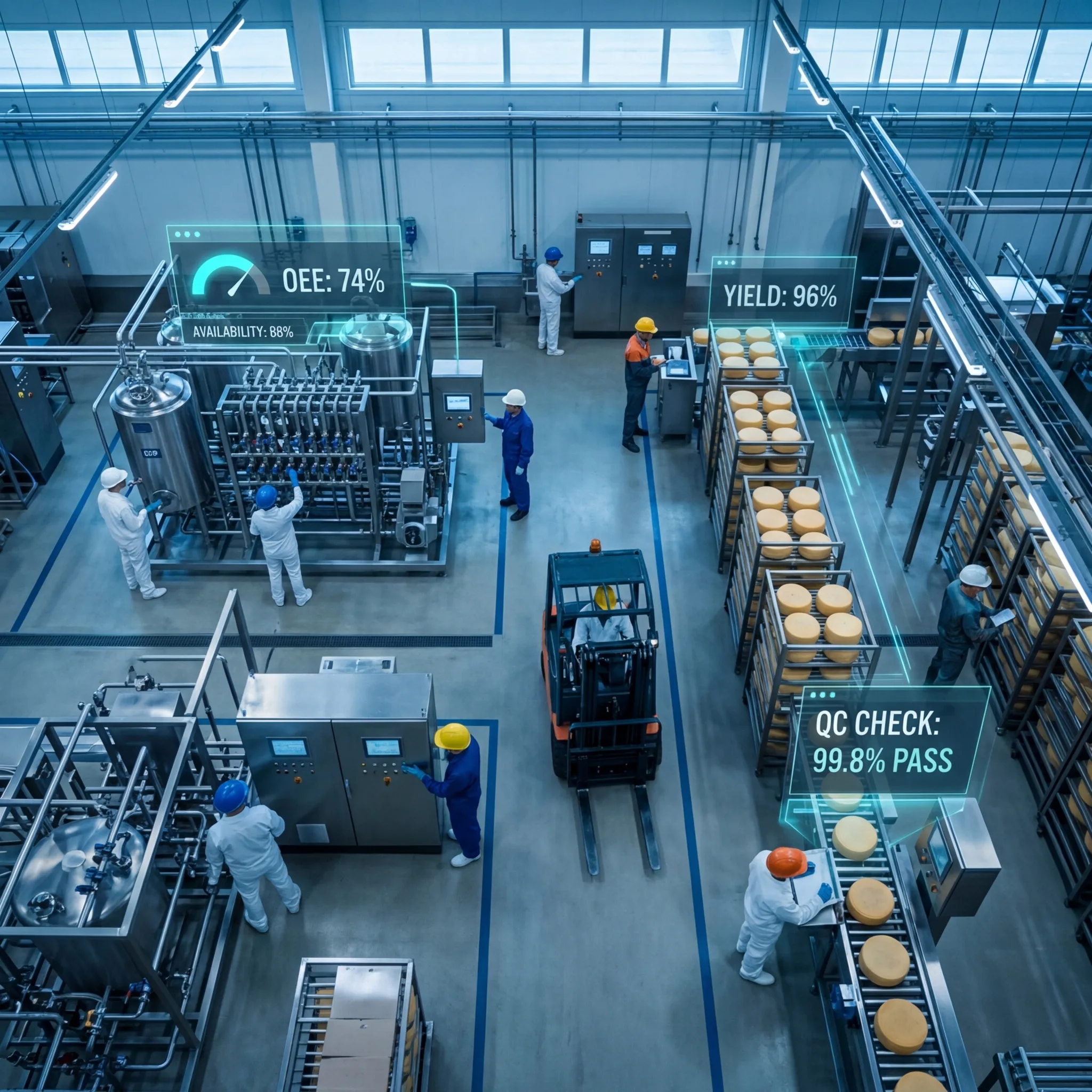
Financial metrics are lagging indicators. Operational KPIs predict performance 3-6 months ahead. Here's the framework that catches problems before they damage financials.
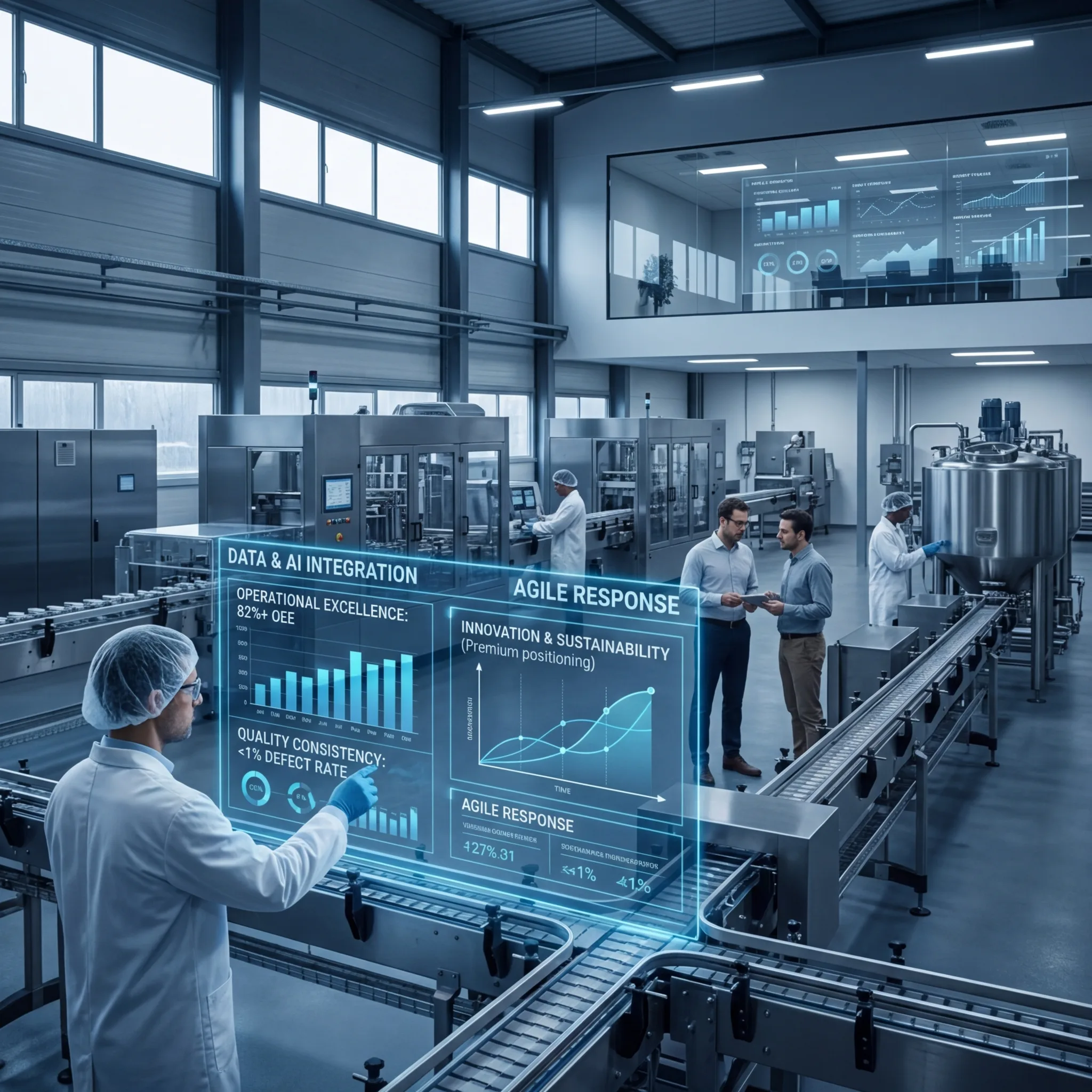
Companies navigating change successfully share five common characteristics. Here are the key success factors and emerging trends shaping food manufacturing in 2026.
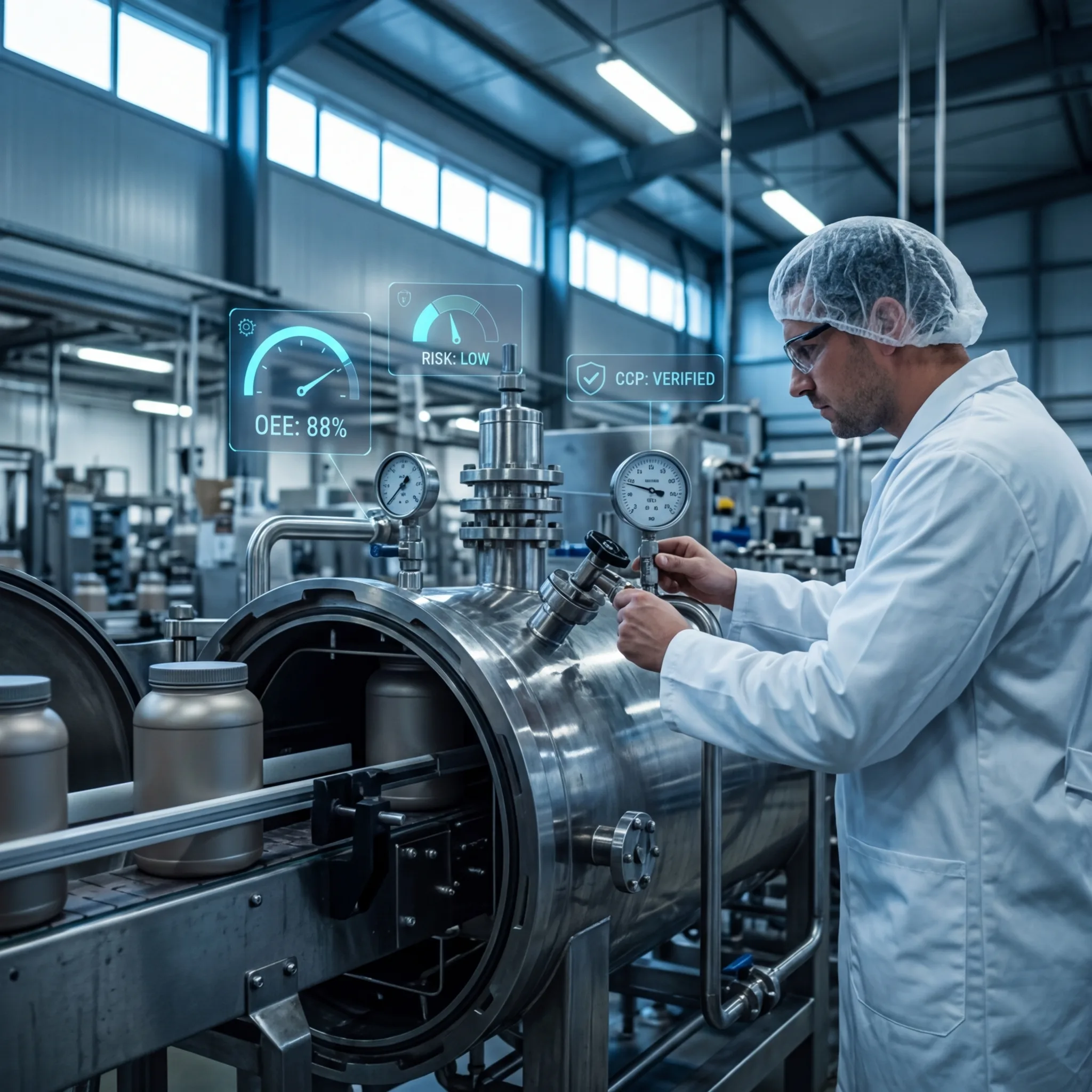
Passing FDA inspection doesn't equal food safety excellence. Here's the maturity framework that moves facilities from minimum compliance to zero-recall culture.
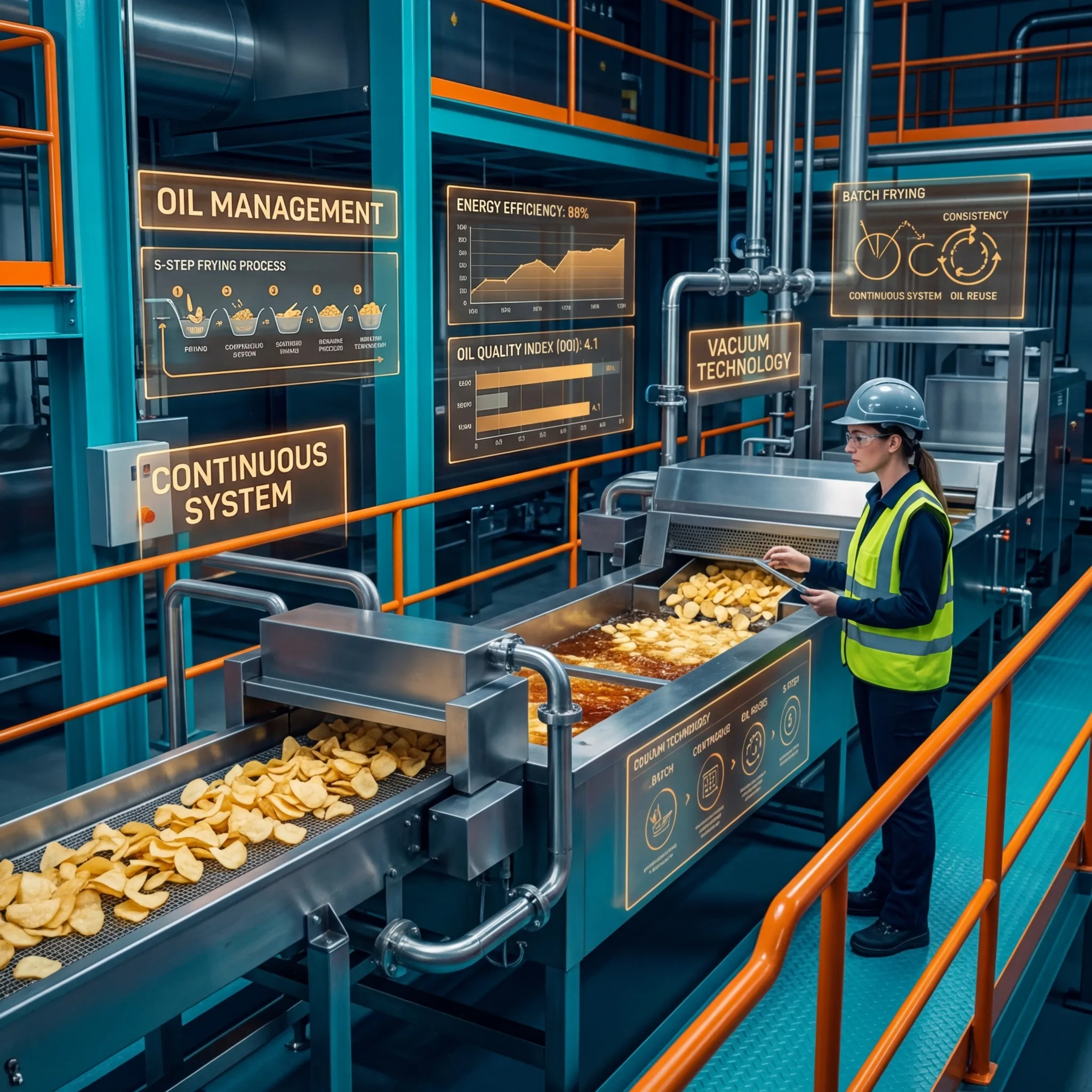
Frying equipment selection directly impacts product quality, oil efficiency, and profitability. Continuous fryers with filtration can reduce oil costs by 60%.
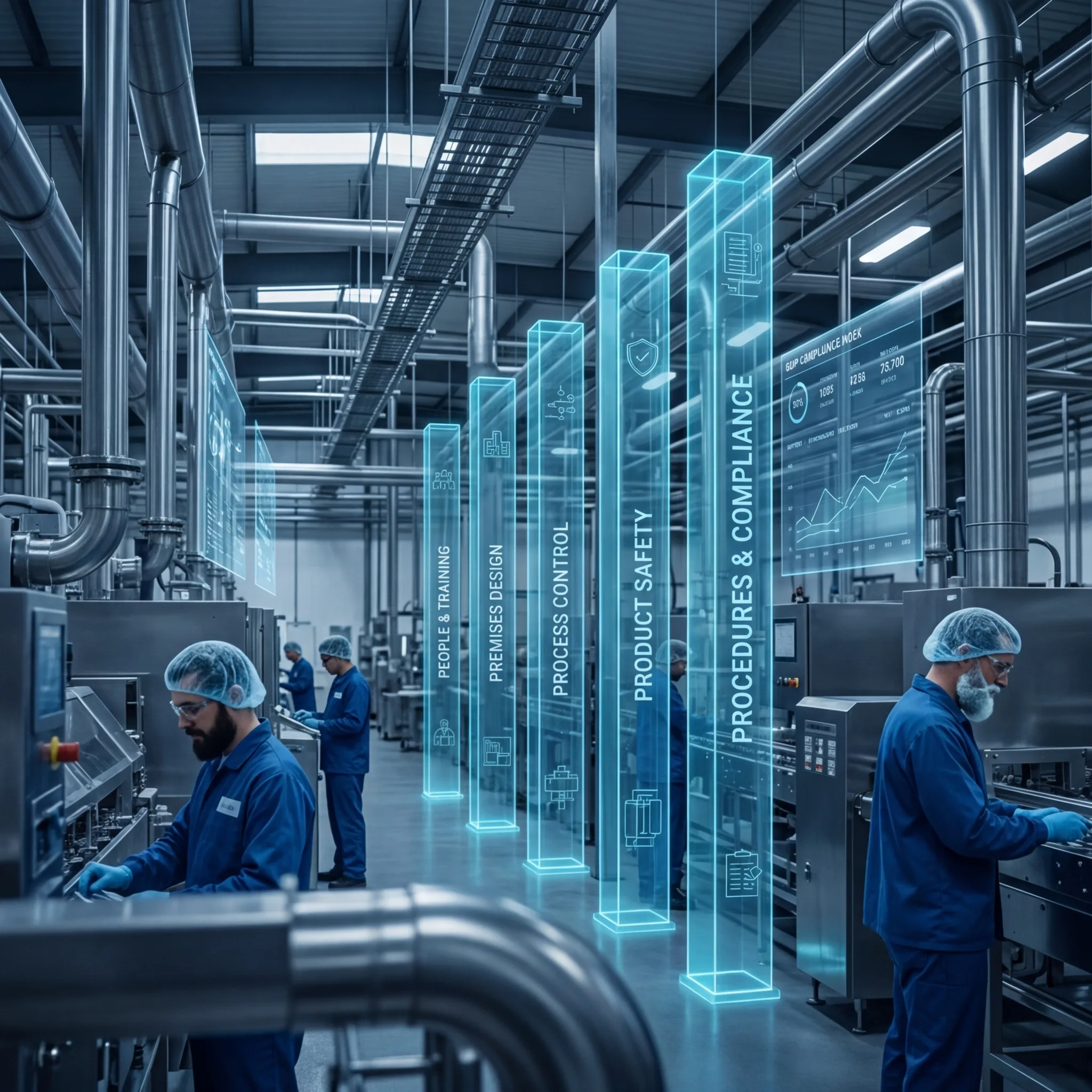
GMP addresses People, Premises, Processes, Products, and Procedures. Treat it as operational foundation, not a compliance checkbox, to prevent recalls and penalties.
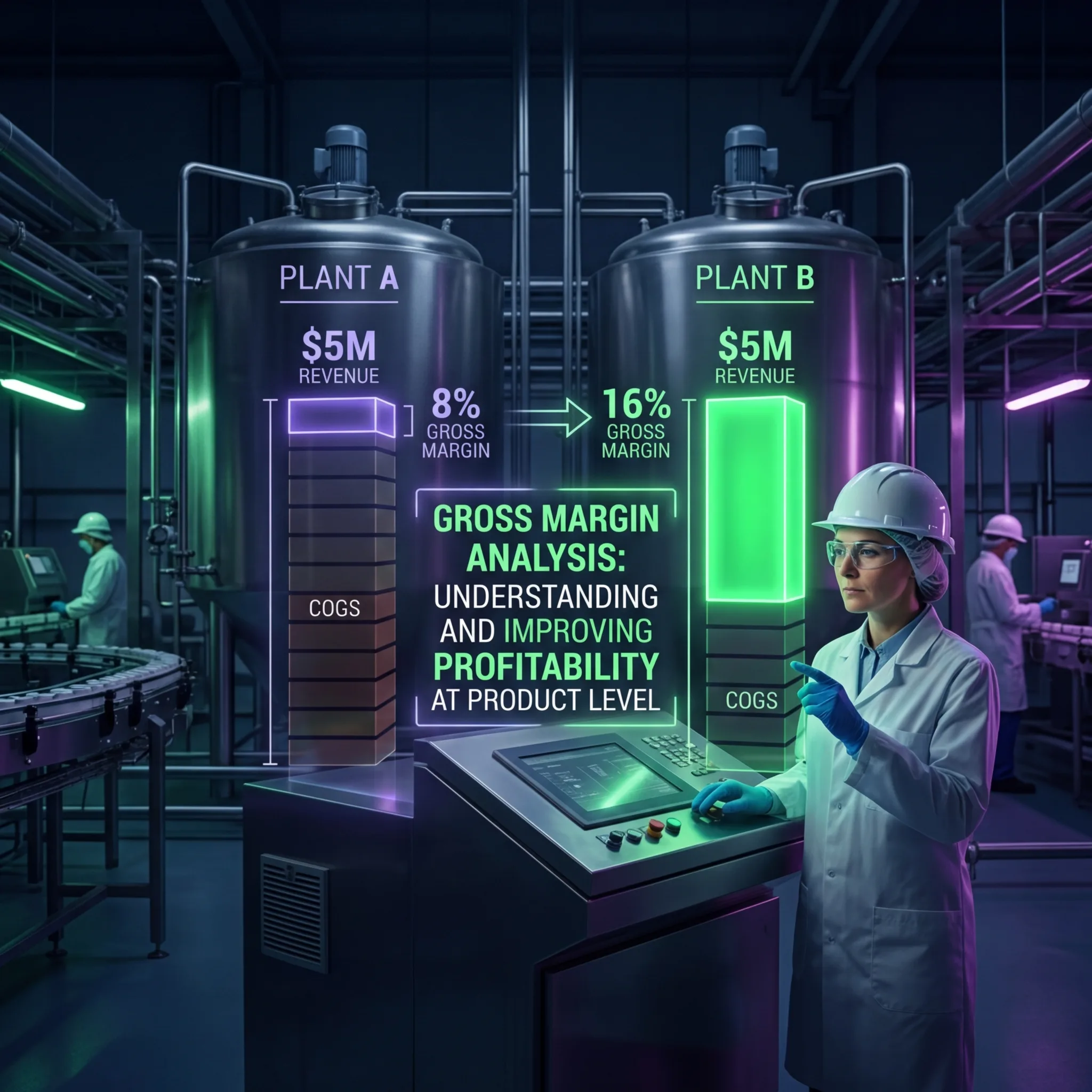
Same $5M yogurt revenue, vastly different profitability: 8% margin vs. 16%. Gross margin analysis at product level reveals where to invest and where to cut.
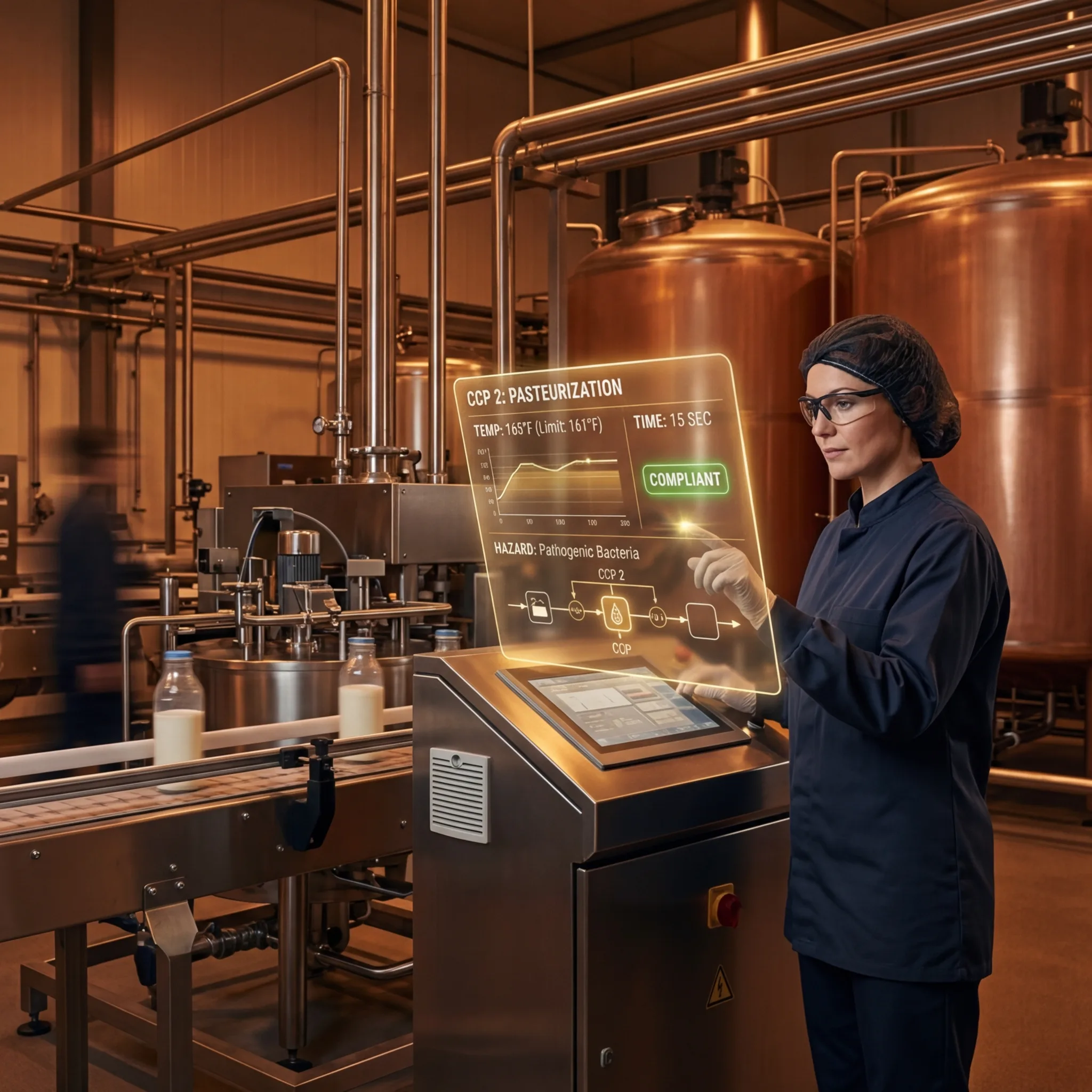
Rather than testing finished products reactively, HACCP identifies critical control points where hazards can be prevented proactively during production.
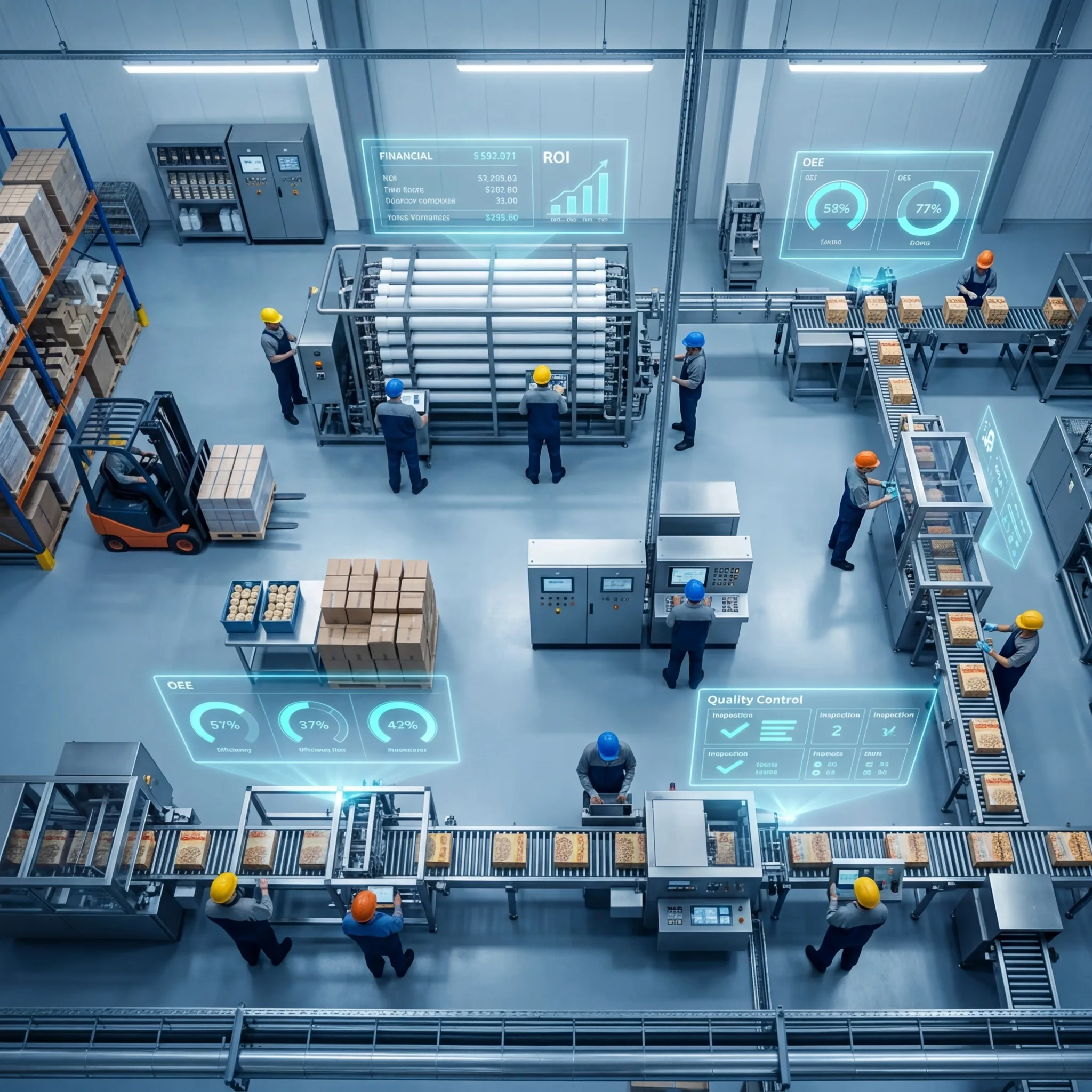
A 10% labor productivity improvement saves $270K annually without reducing production. Here's the data-driven approach to staffing that replaces historical guesswork.
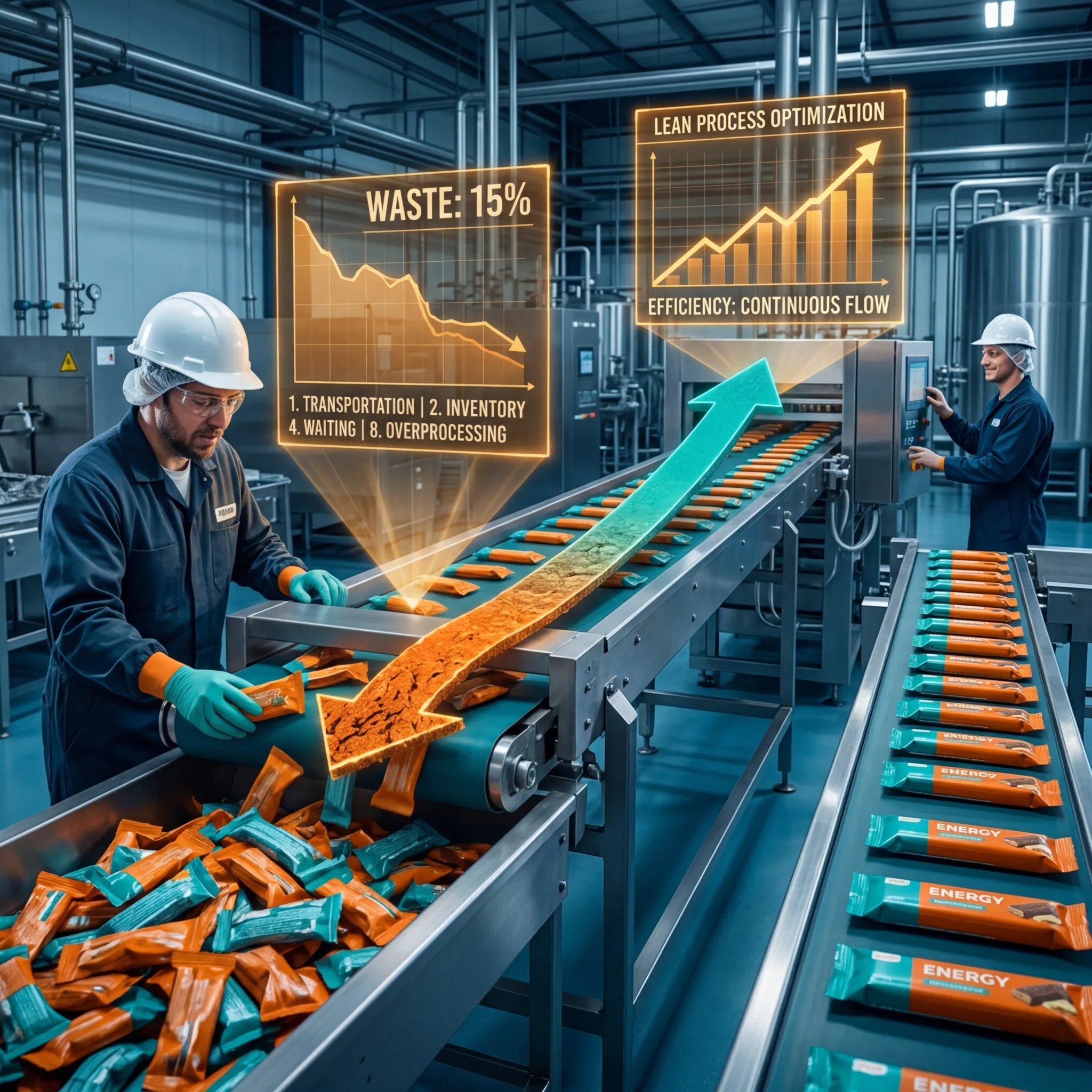
Of 1,000 units produced daily, 150 are wasted through inefficiency, quality issues, and overproduction. Lean manufacturing systematically eliminates waste from same resources.