Process Improvement
Maintenance Strategy and Equipment Reliability: Preventive vs. Reactive
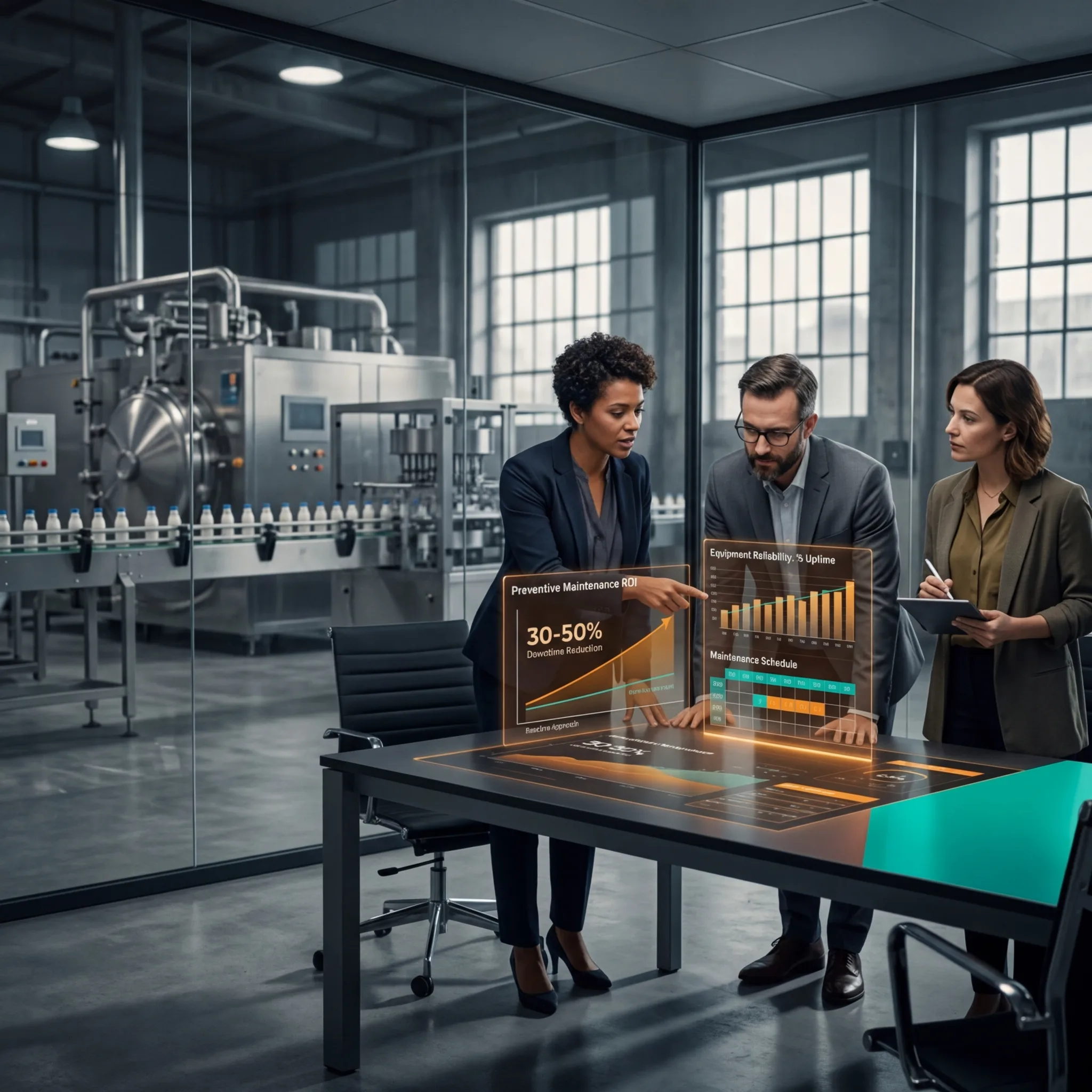
Reactive maintenance looks cheaper on paper but costs $3.9M more annually in downtime. Here's the preventive approach that delivers 400% ROI.
3 min read
Reactive maintenance looks cheaper on paper but costs $3.9M more annually in downtime. Here's the preventive approach that delivers 400% ROI.
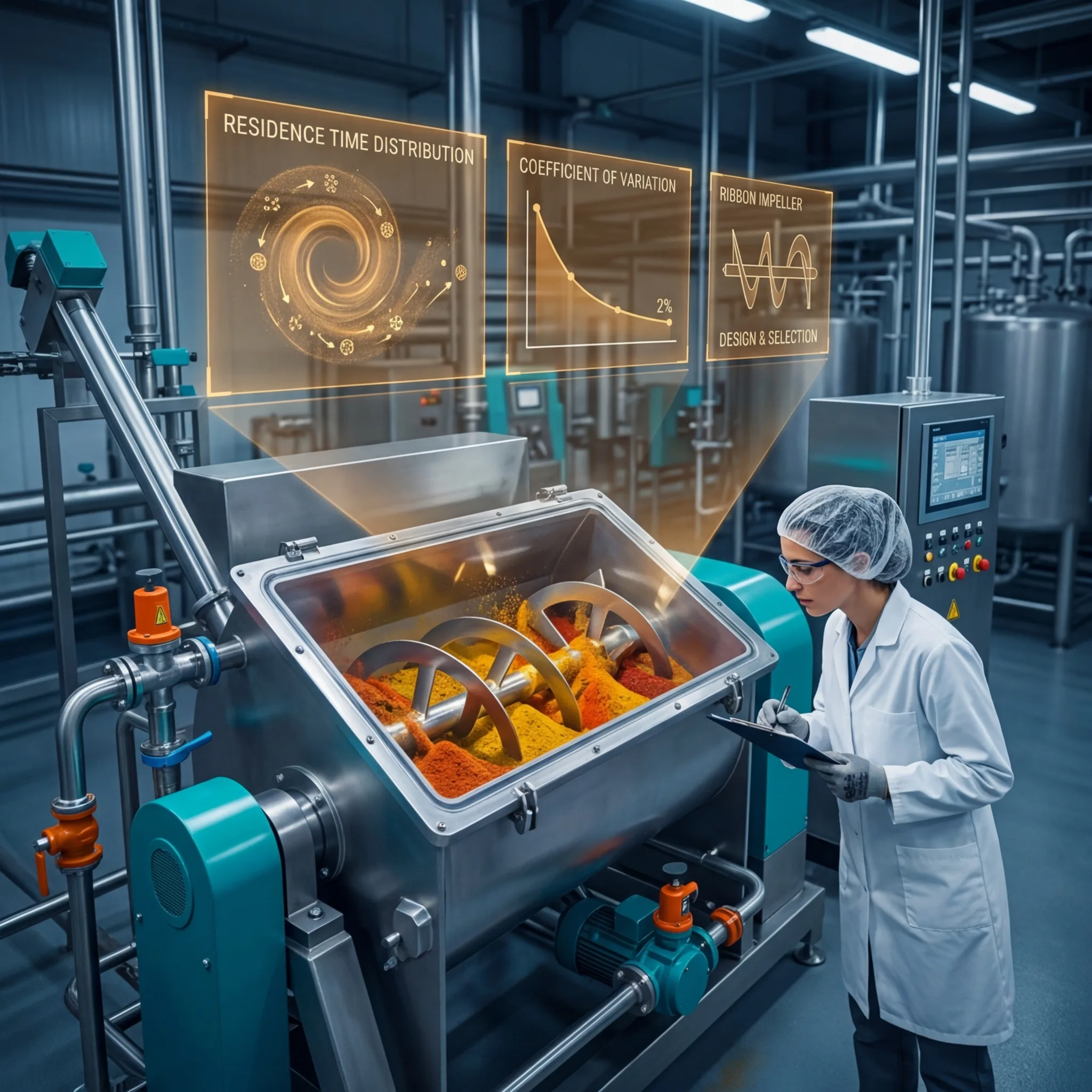
Mixer selection directly impacts product quality, consistency, and shelf-life. Here's the engineering framework for choosing and optimizing mixing equipment.
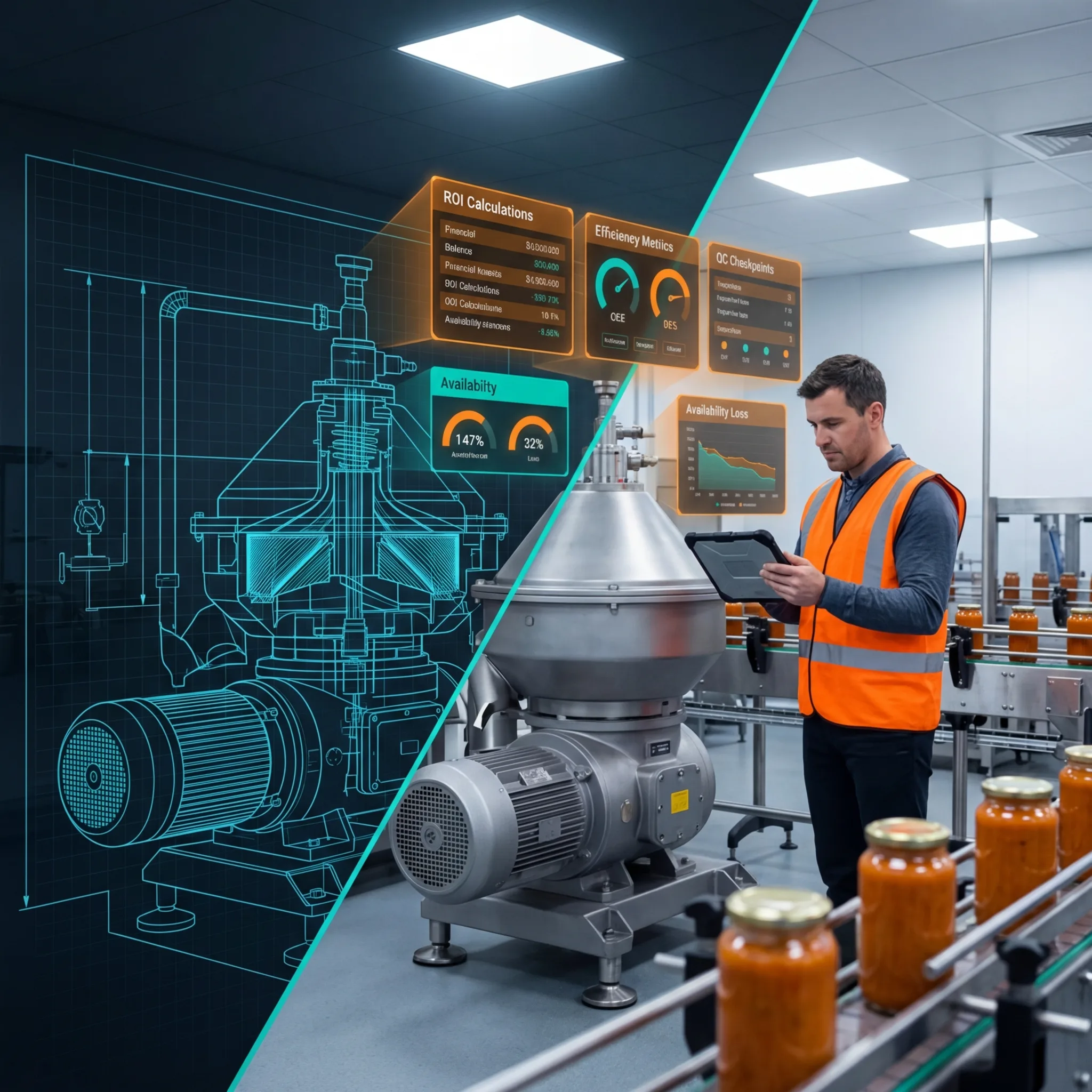
Your OEE is 68%. Which component do you fix first? Pareto analysis reveals where capital and focus deliver maximum return per dollar invested.
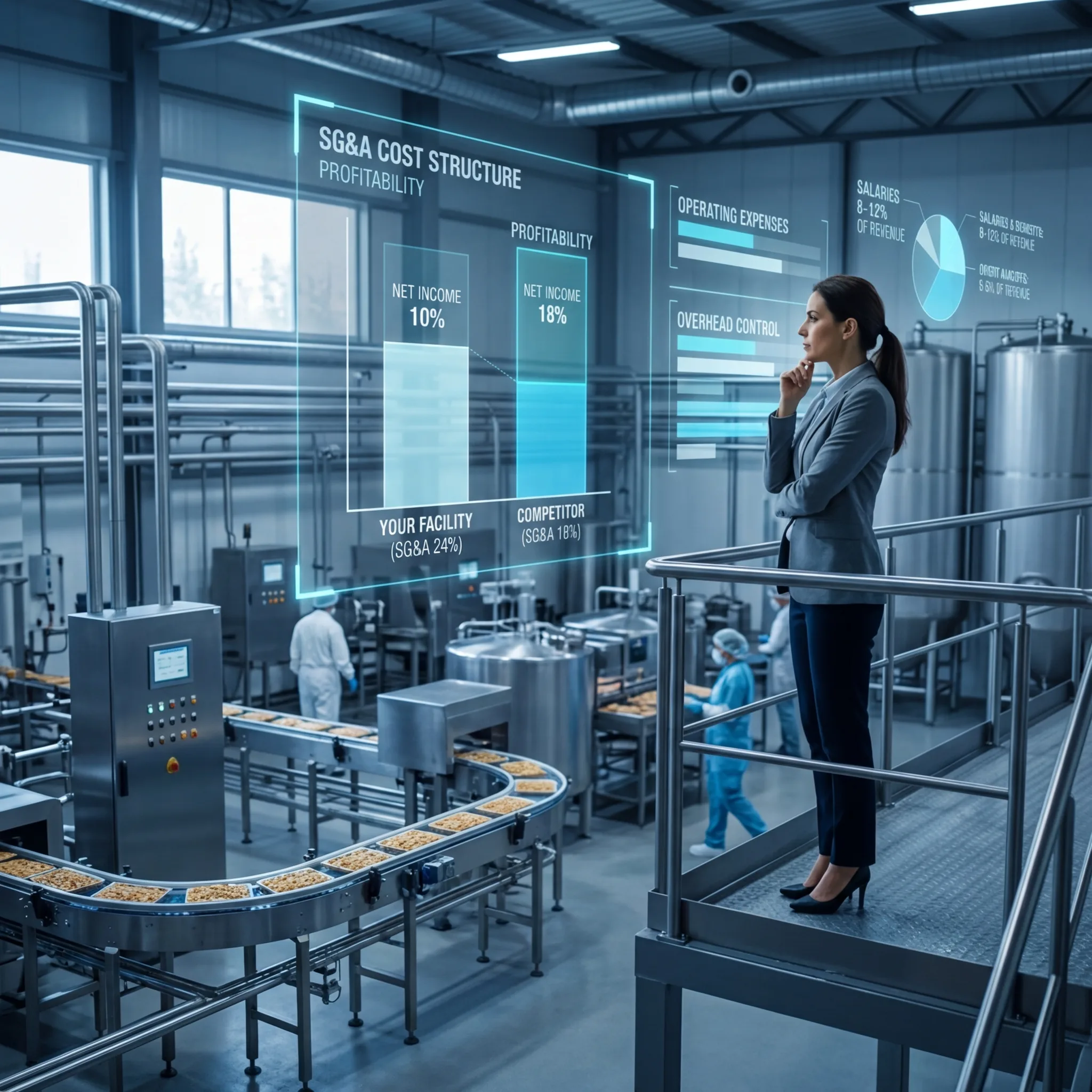
Same revenue, same COGS, but $4M difference in profitability. The gap: SG&A cost control. Here's the benchmarking framework that identifies $2.45M in potential improvement.
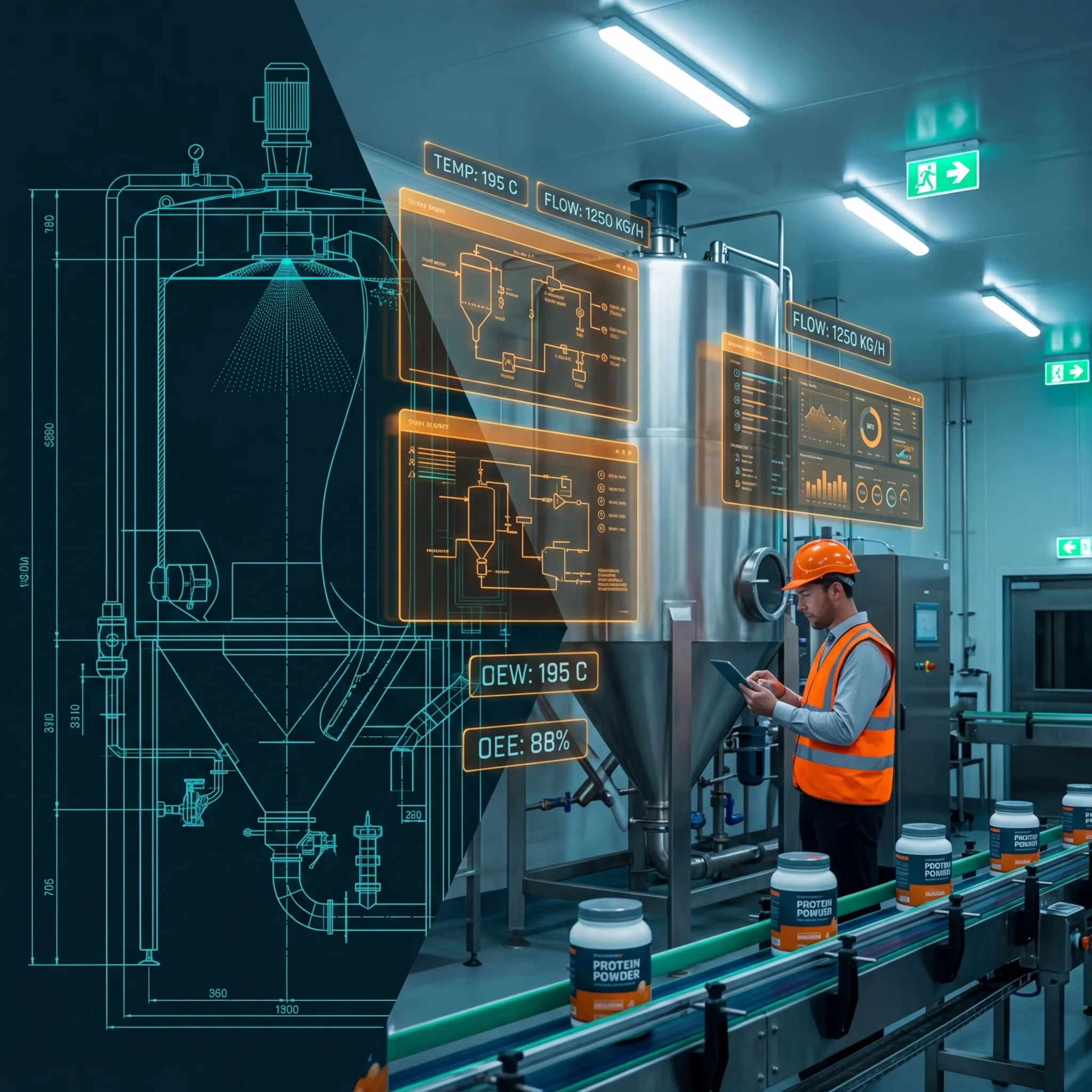
Monthly reports are too late and too aggregated. Real-time dashboards identify problems in minutes vs. hours, delivering $450K-$1M in annual benefit.
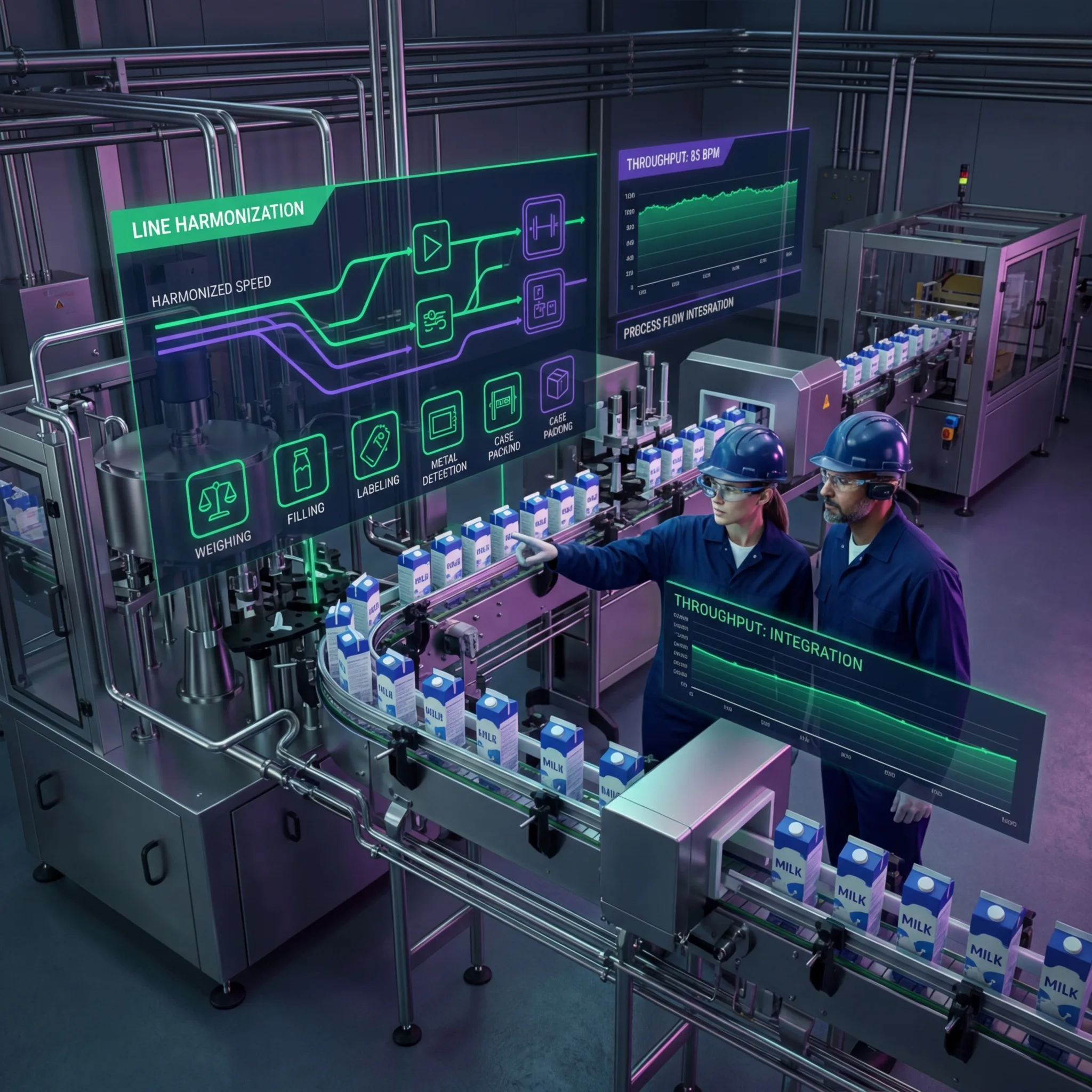
Speed mismatches cause bottlenecks and waste. Here's the engineering framework for designing synchronized packaging lines that maximize throughput and efficiency.
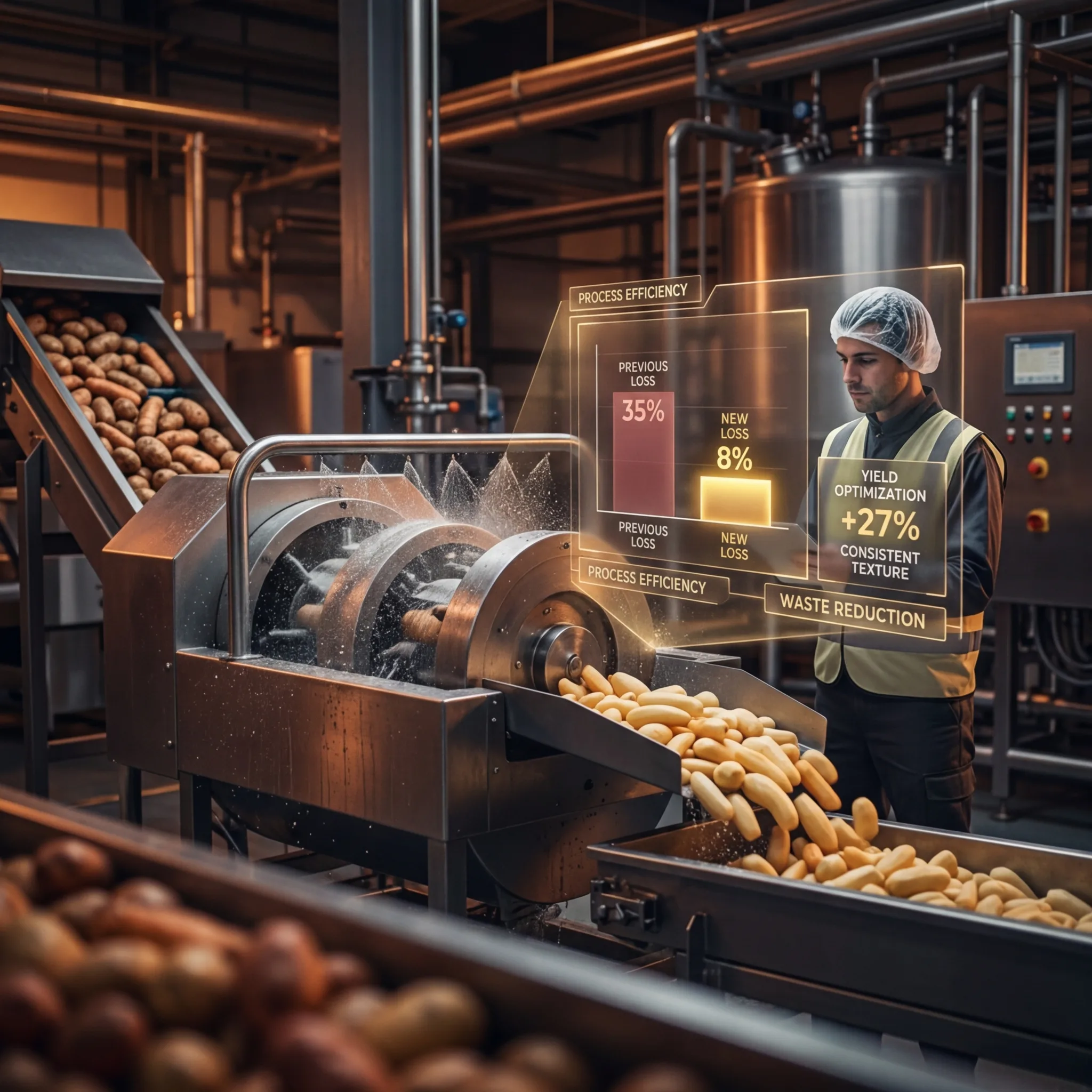
Peeling equipment selection directly impacts product yield and operational efficiency, with modern systems reducing material loss from 35% to under 8%.
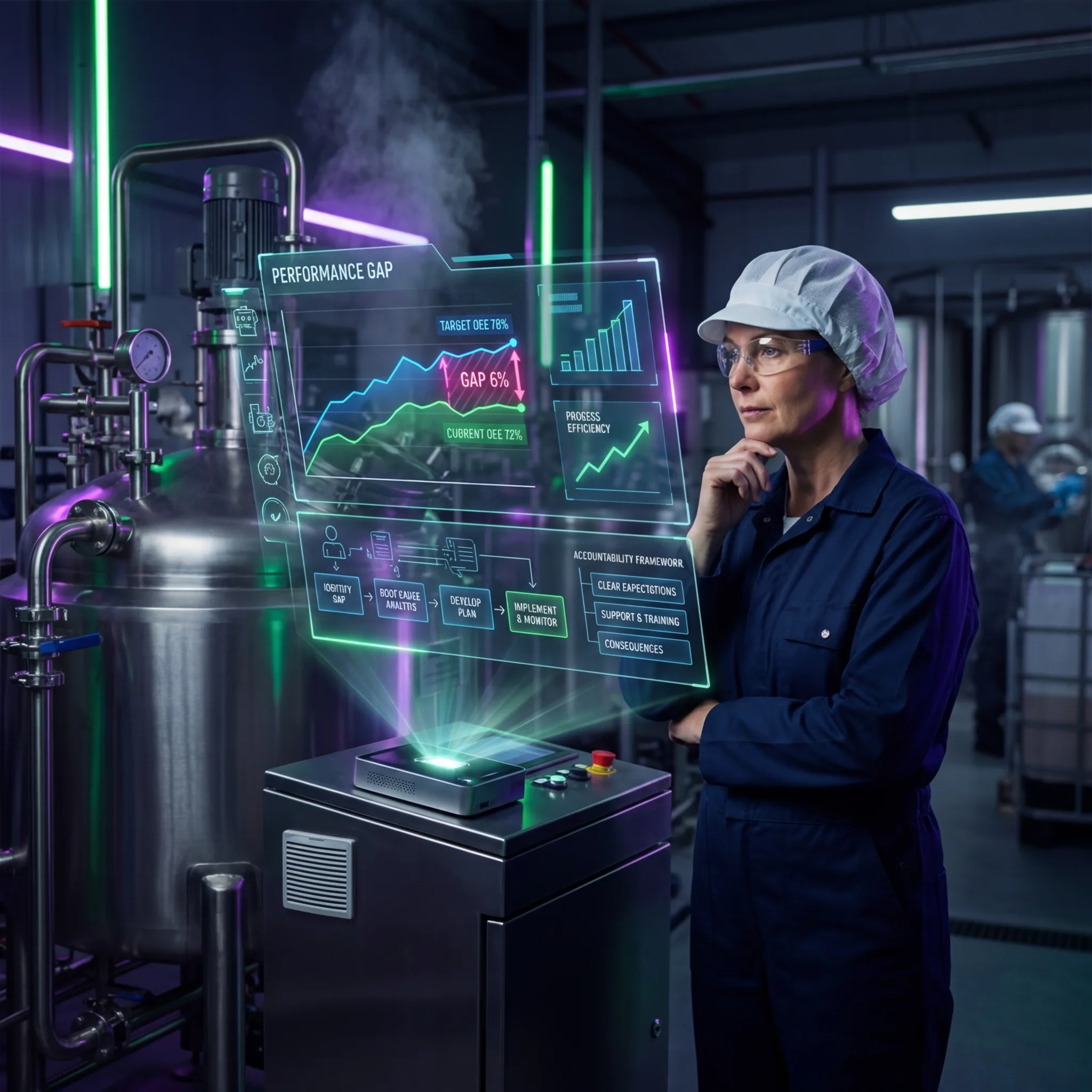
A production line misses efficiency targets for 6 months with no improvement. Structured PIPs address underperformance with clear expectations, support, and consequences.
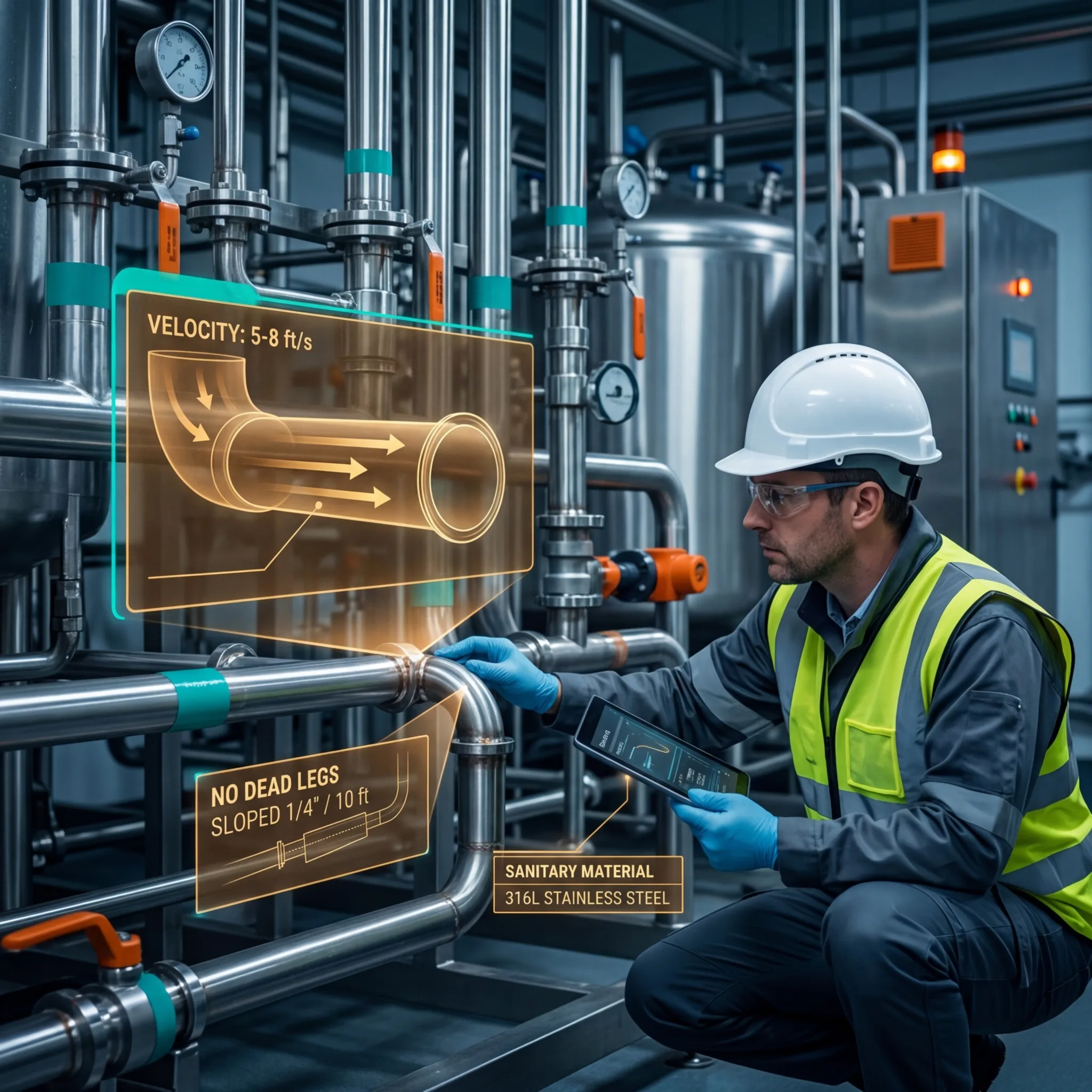
Piping system design is foundational to food safety and CIP effectiveness. Here's the engineering framework for material selection, flow velocity, and dead leg elimination.
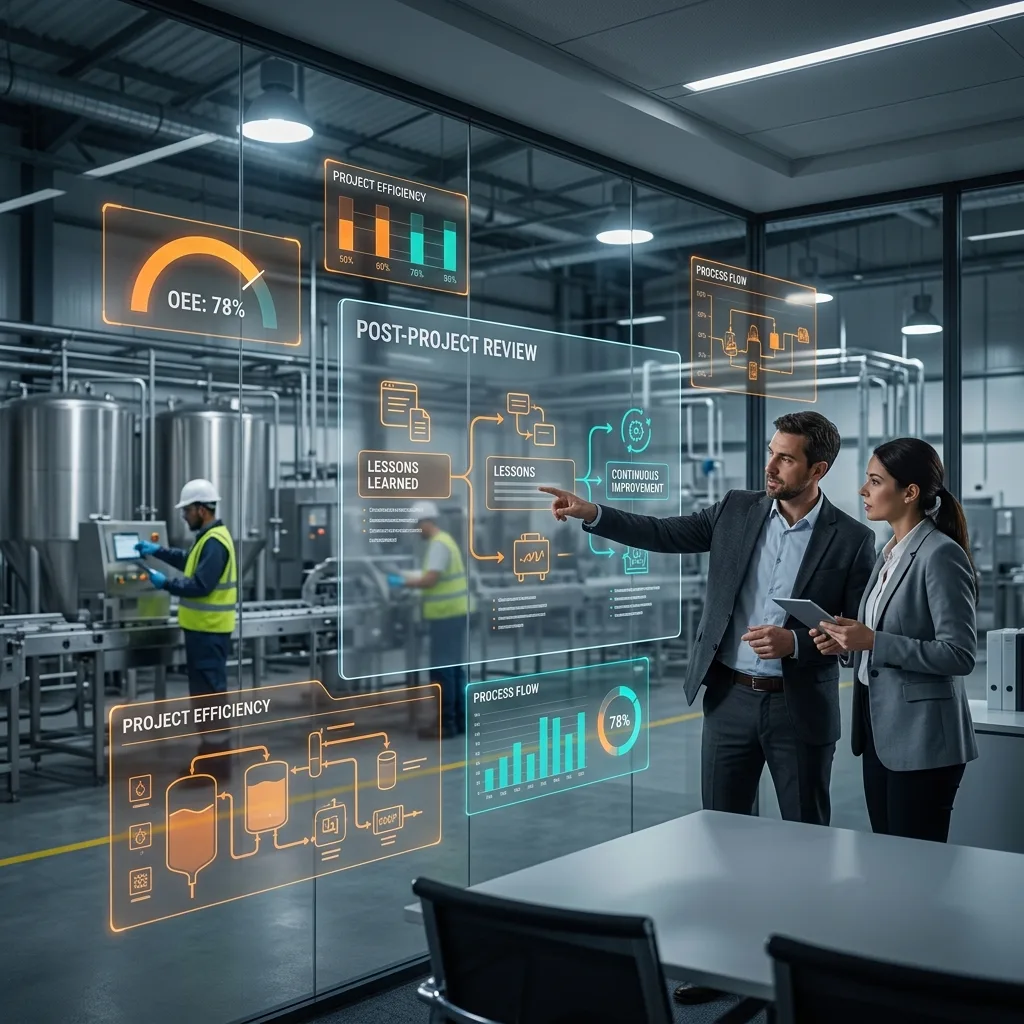
Each project learns hard lessons, then organizational memory evaporates. Here's the structured review process that breaks the cycle.
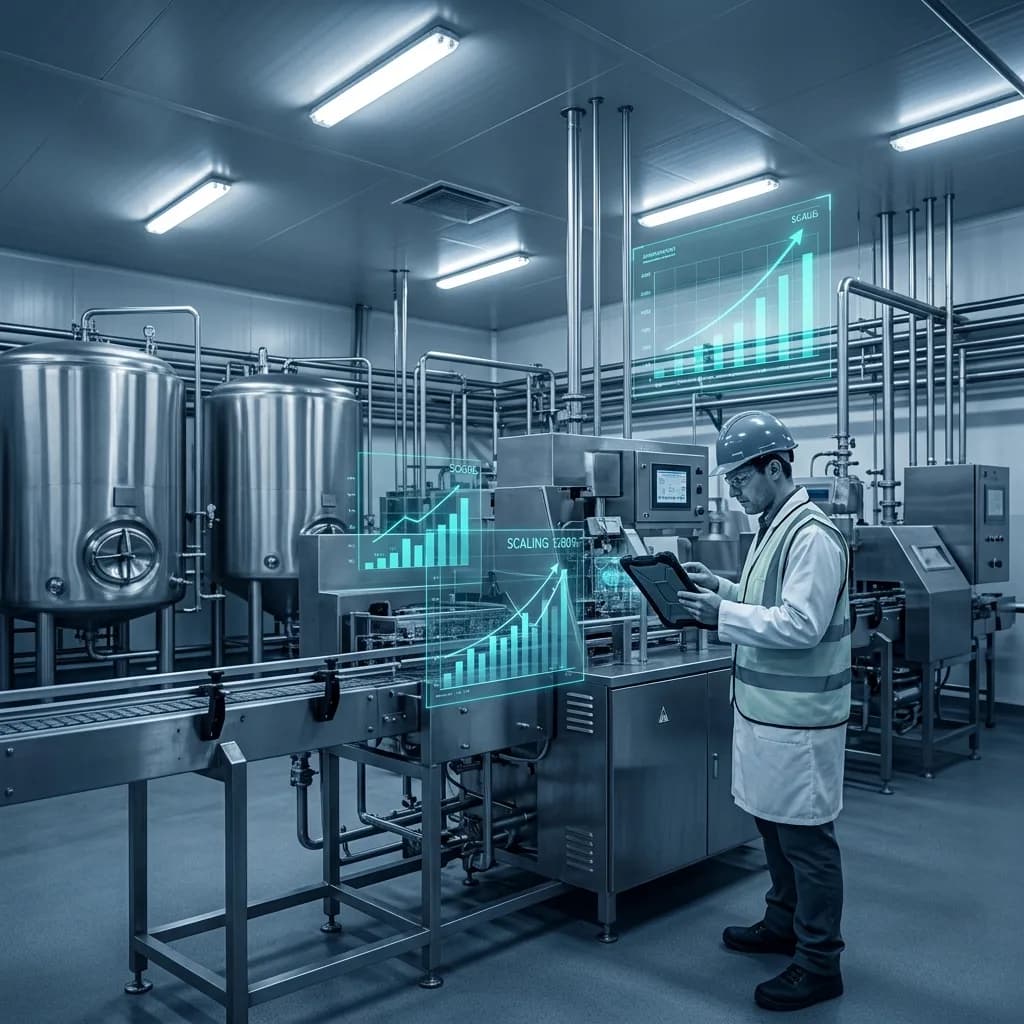
A detailed capital roadmap shifts buyer perception from risk to opportunity. Here's the three-tier framework that demonstrates operational discipline and drives higher valuations.
Only 20 of your 80 SKUs generate 80% of revenue. The remaining 60 cost $300K-$960K annually. Here's the rationalization framework.