Process Improvement
Sustainable Processing: Energy and Water Optimization
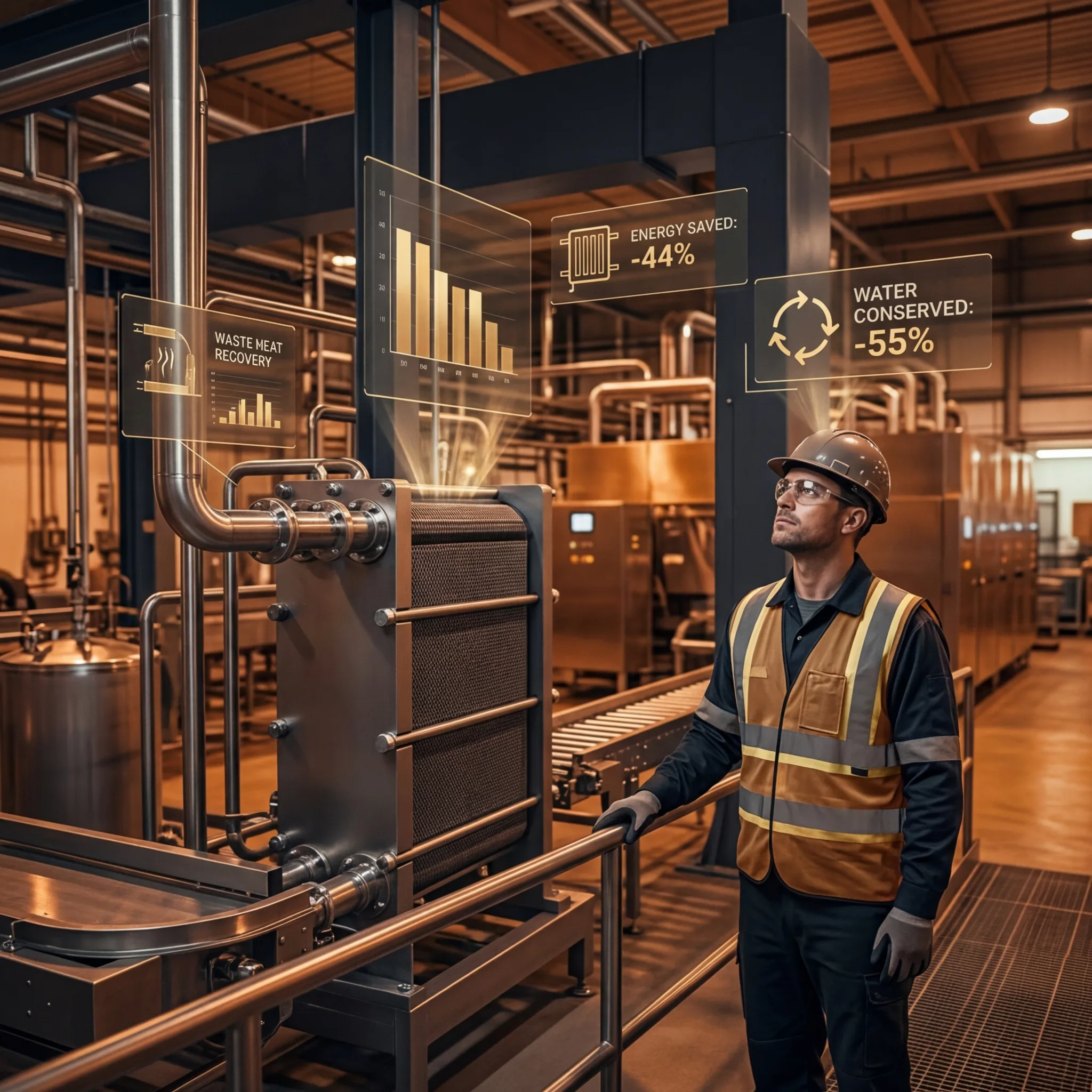
Sustainable processing optimization delivers immediate cost reduction, environmental responsibility, and ESG compliance for food manufacturers.
4 min read
Sustainable processing optimization delivers immediate cost reduction, environmental responsibility, and ESG compliance for food manufacturers.

Thawing equipment selection directly impacts food safety and product quality through controlled temperature management.
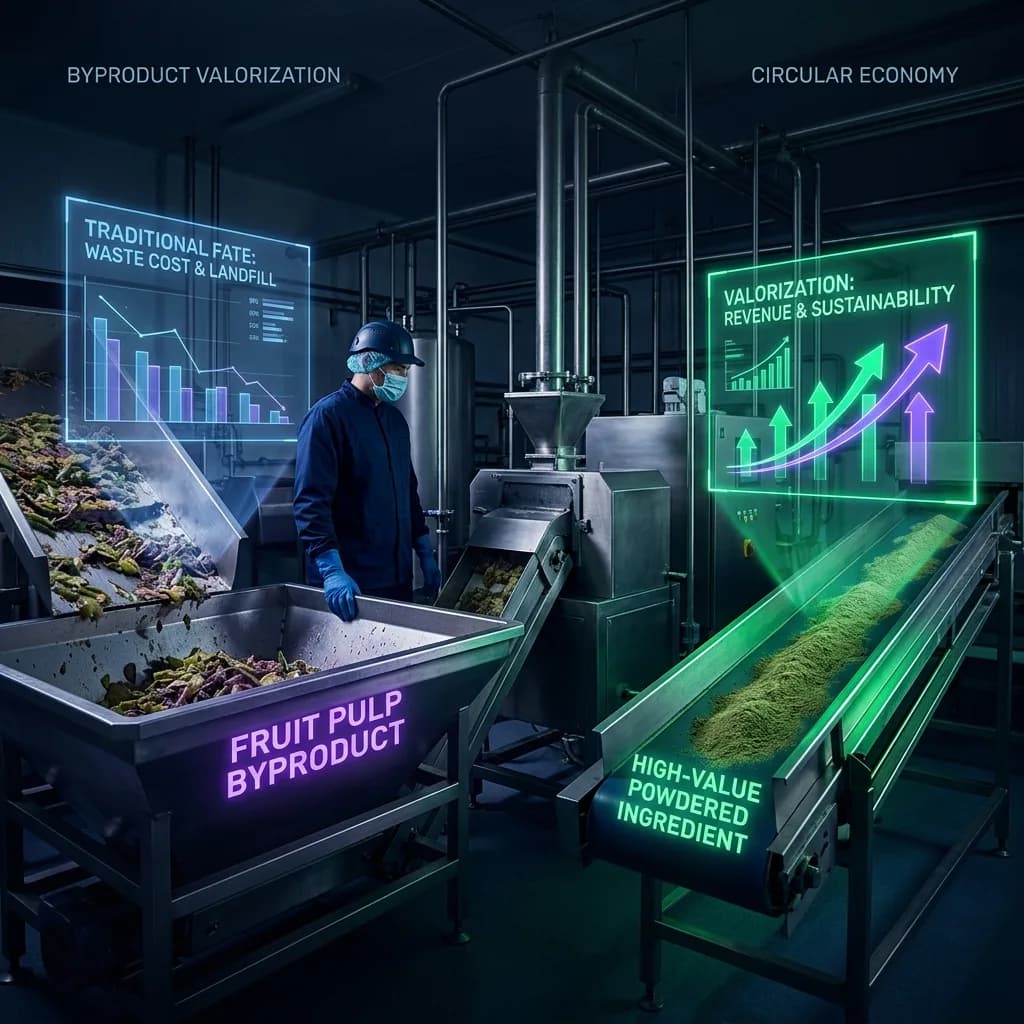
Byproduct valorization transforms food waste into high-value ingredients, eliminating disposal costs and creating new revenue streams for manufacturers.

UV-C treatment achieves 4-5 log pathogen reduction without heat, preserving 95%+ nutrients and fresh flavor for premium beverage positioning.
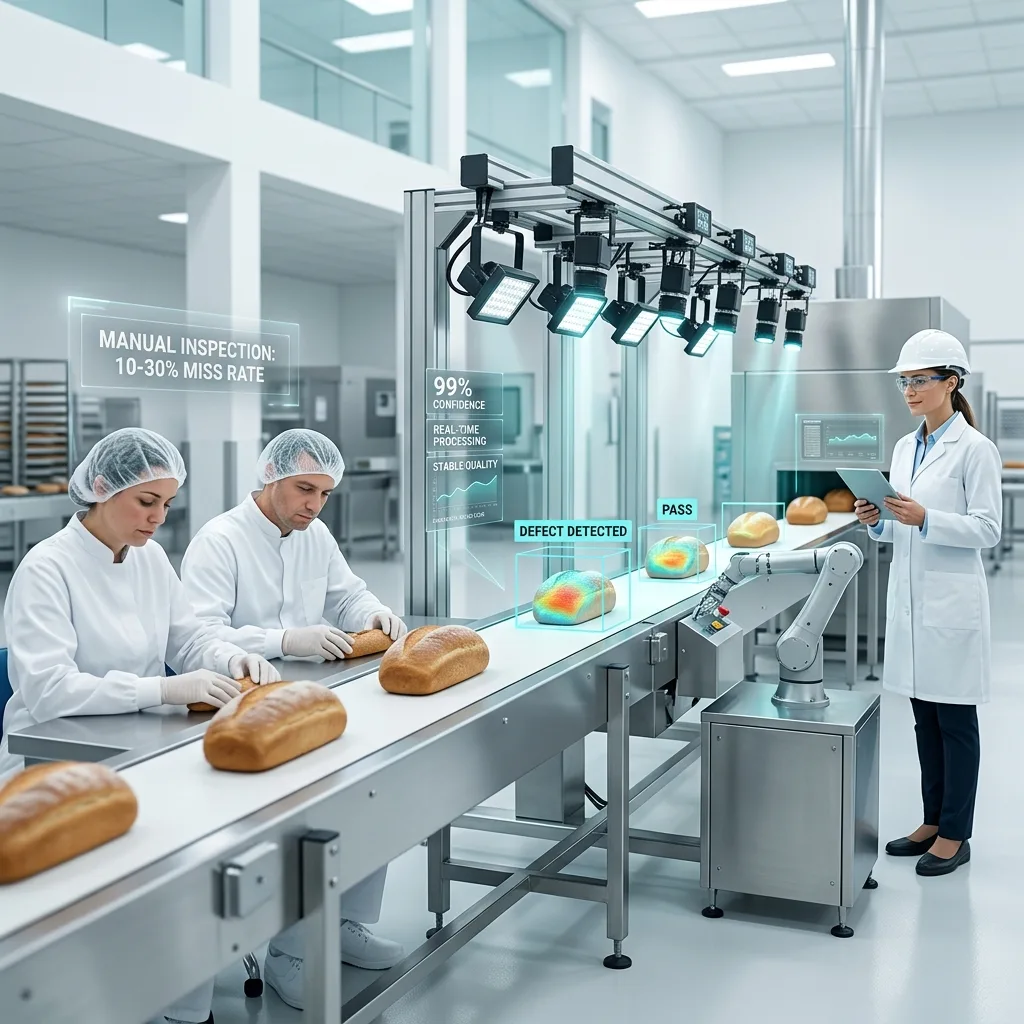
AI vision systems achieve 95-99% defect detection accuracy at 100-1,000 units per minute, replacing inconsistent manual inspection.
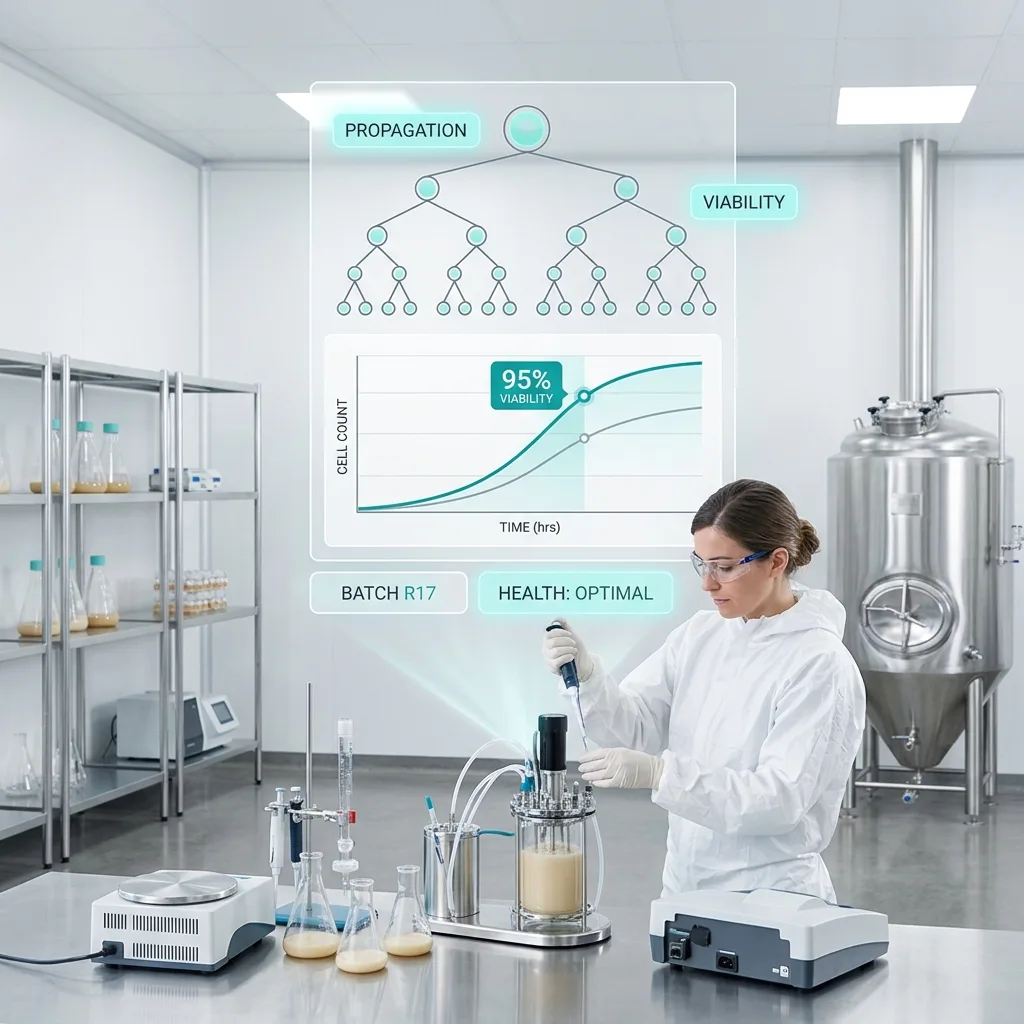
Regular culture propagation ensures high yeast viability and reliable fermentation performance for brewers, bakers, and fermentation producers.

Yogurt texture optimization through gelation control enables premium market positioning with 70% improvement in repeat purchase rates.

Six months after implementing a new food safety system, FDA finds it isn't being followed. Without regular audits, implementation slips into non-compliance.

Without a systematic roadmap, improvement initiatives compete for attention and resources. A phased approach sequences initiatives for sustainable transformation.
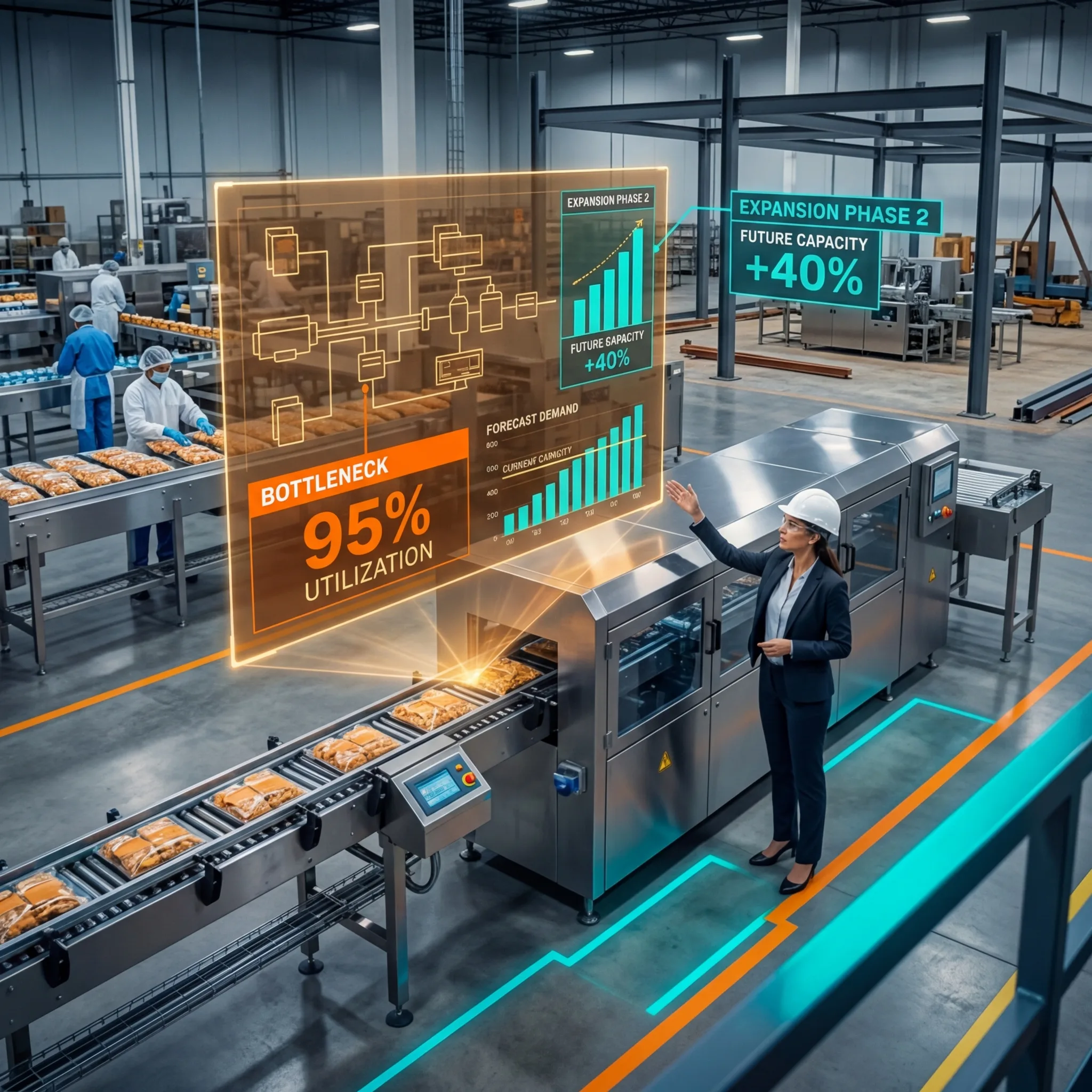
A food manufacturer growing 20% annually hits capacity constraints fast. Plan 18-24 months ahead to avoid bottlenecks delaying customer orders.

Centrifugation multiplies gravitational force up to 10,000x, enabling rapid separation that improves product quality and reduces facility footprint.

A new scheduling system should improve efficiency 15-20%, but without change management, employees still use old processes. Technical success requires people alignment.