Energy Efficiency and Utility Cost Management in Food Manufacturing
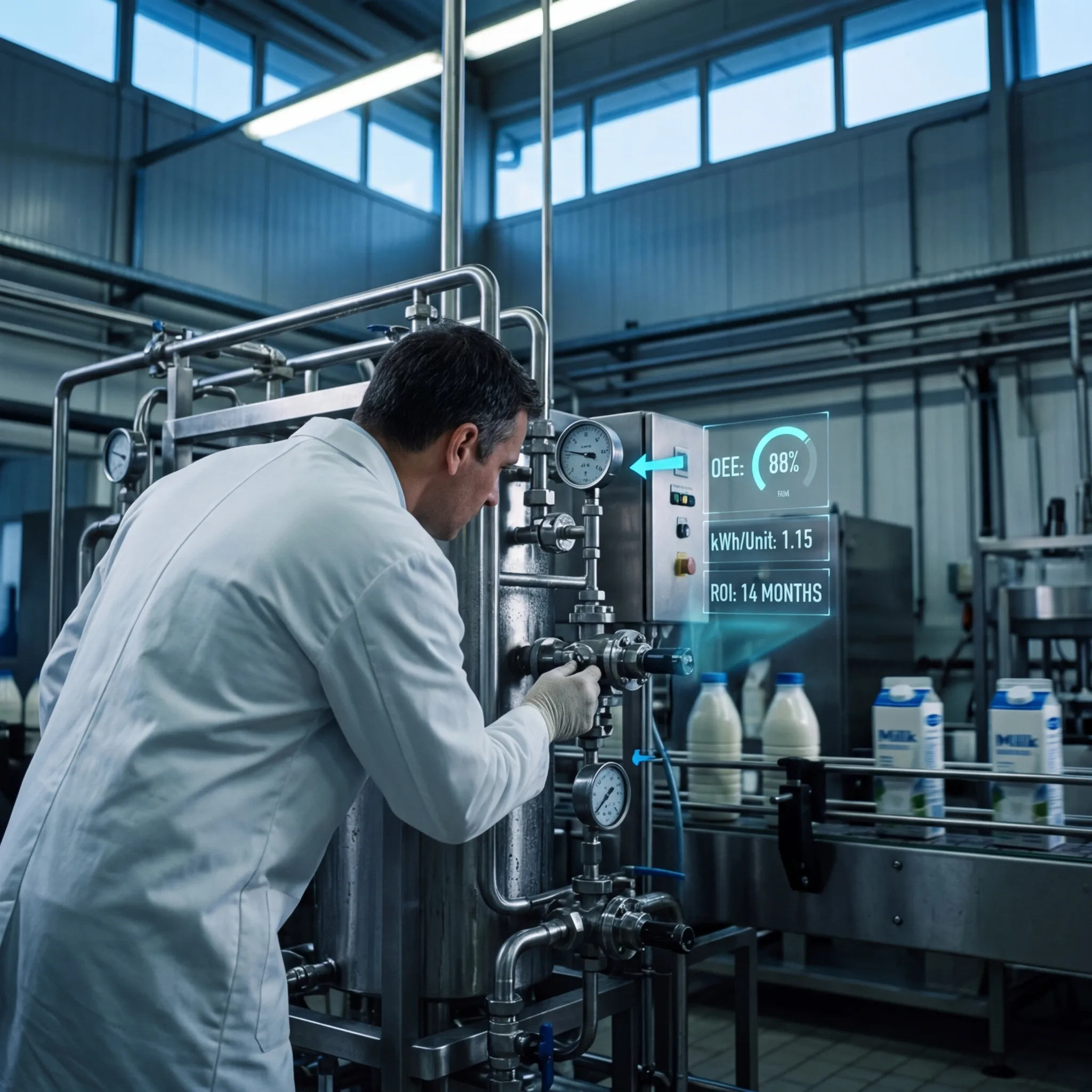
Utilities represent 8-12% of operating cost. A 10% efficiency improvement saves $400K-$600K annually. Here's the systematic approach to energy management.
Explore our latest insights and updates in Process Improvement.

Utilities represent 8-12% of operating cost. A 10% efficiency improvement saves $400K-$600K annually. Here's the systematic approach to energy management.

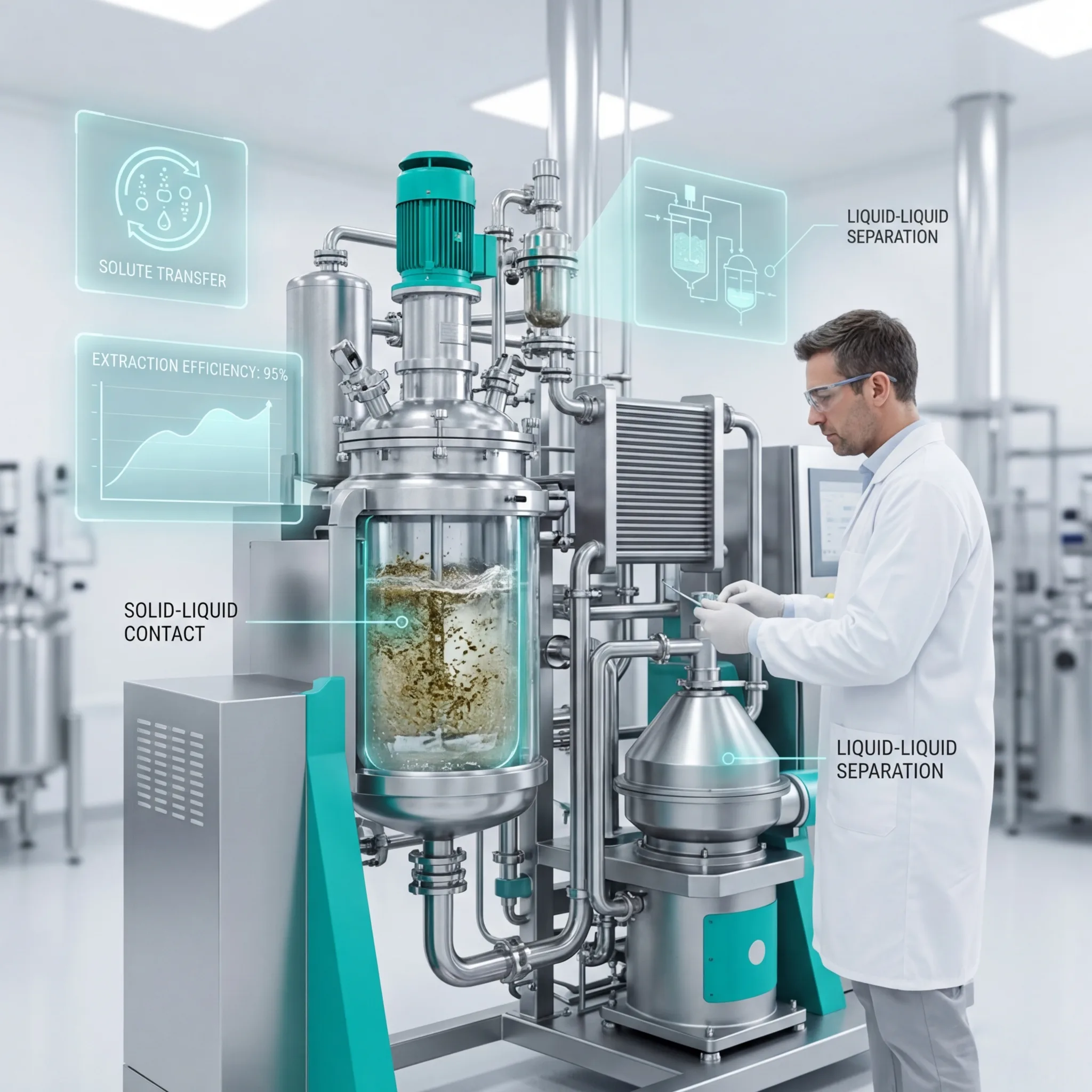
Extraction equipment selection directly impacts process time, product quality, and production efficiency for botanical and specialty food manufacturers.

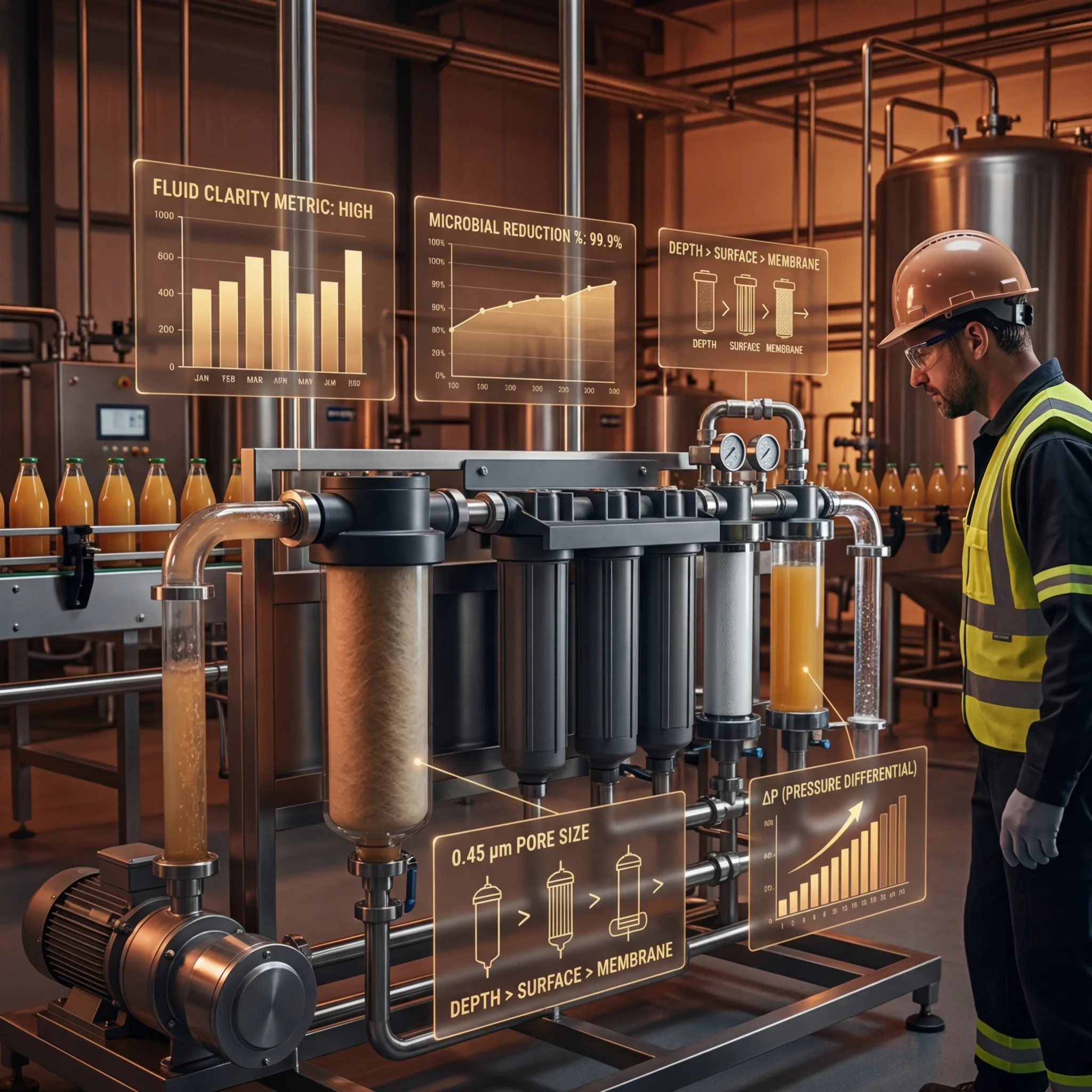
Filtration system design directly impacts product clarity, shelf-life, and customer acceptance. Multi-stage filtration ensures consistent quality.

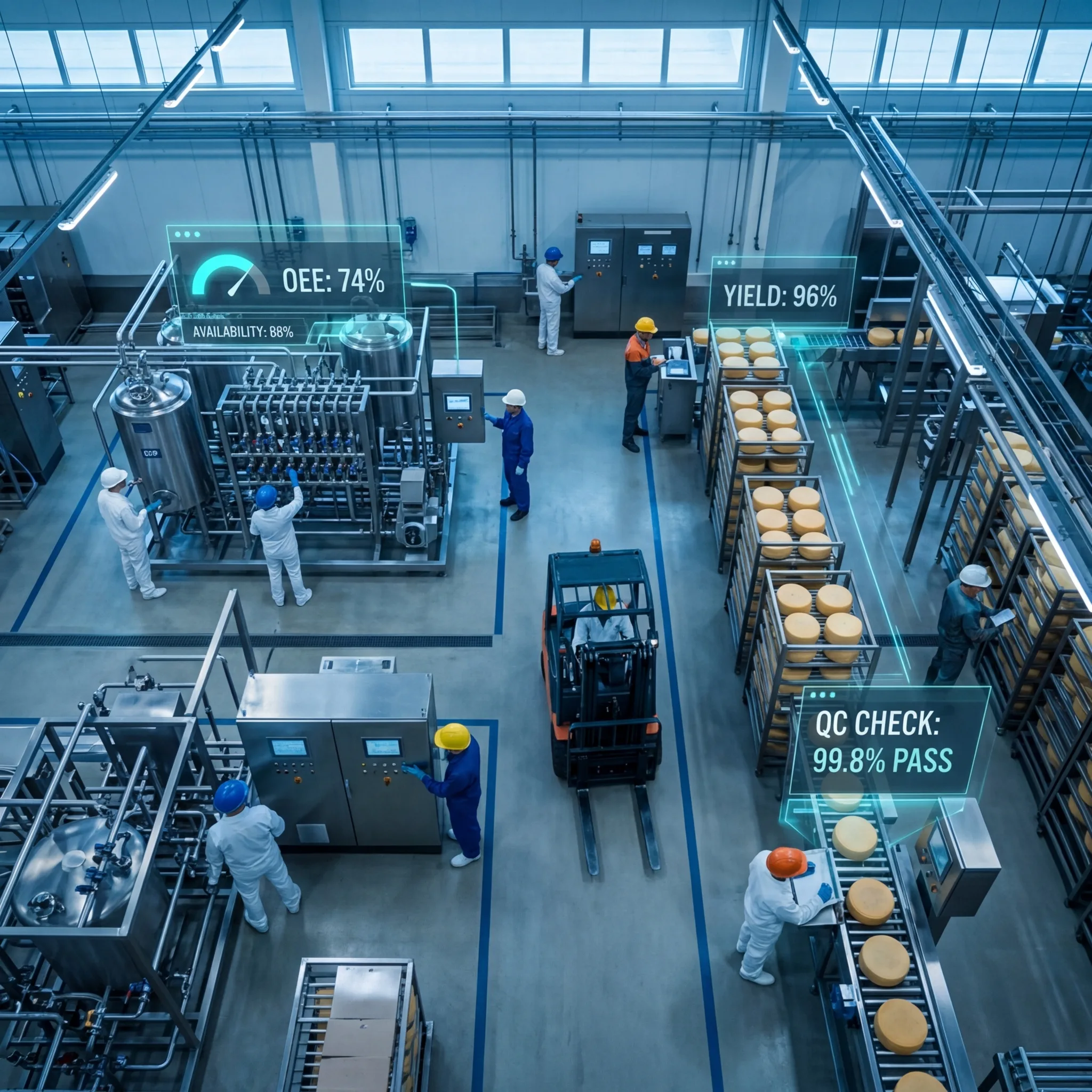
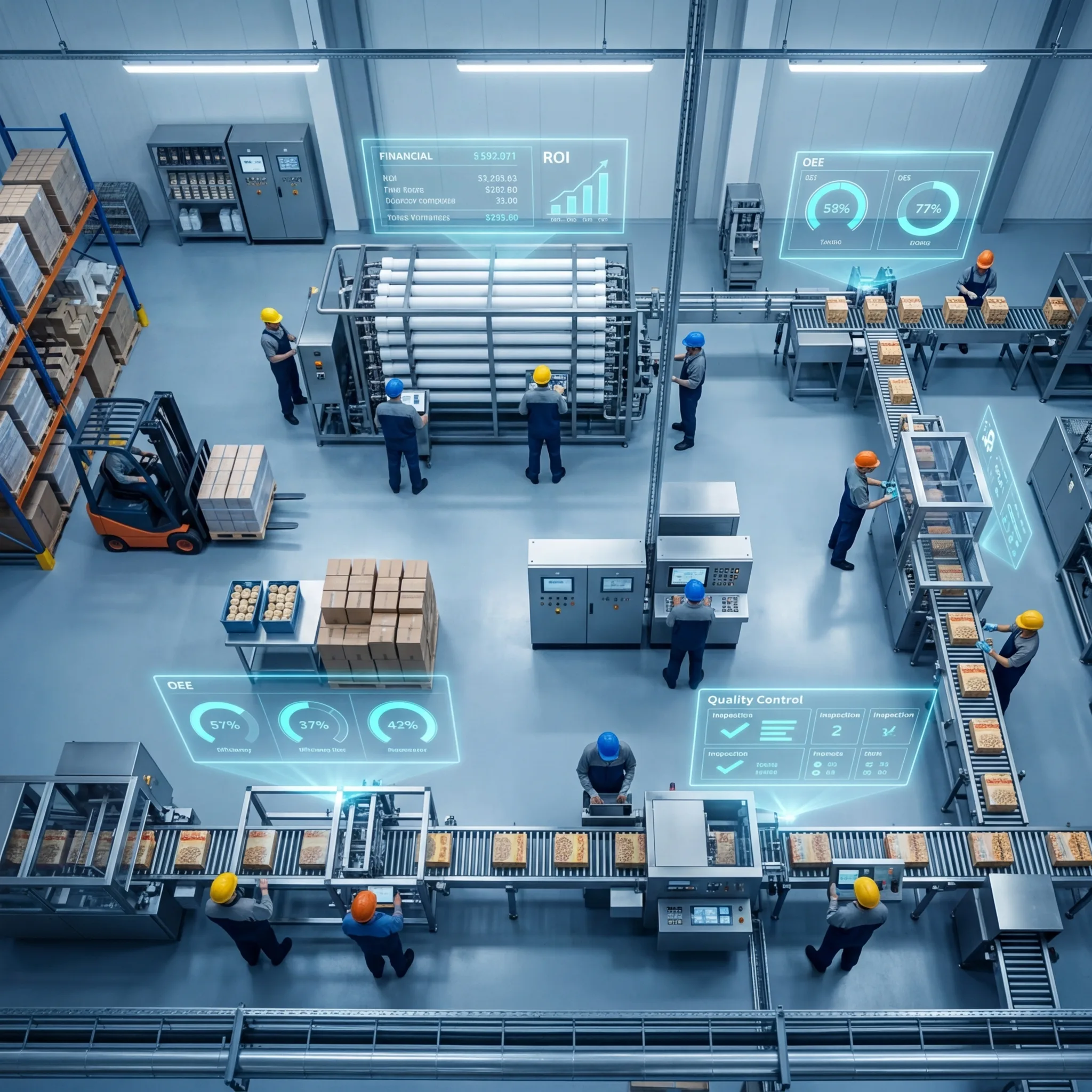
Financial metrics are lagging indicators. Operational KPIs predict performance 3-6 months ahead. Here's the framework that catches problems before they damage financials.

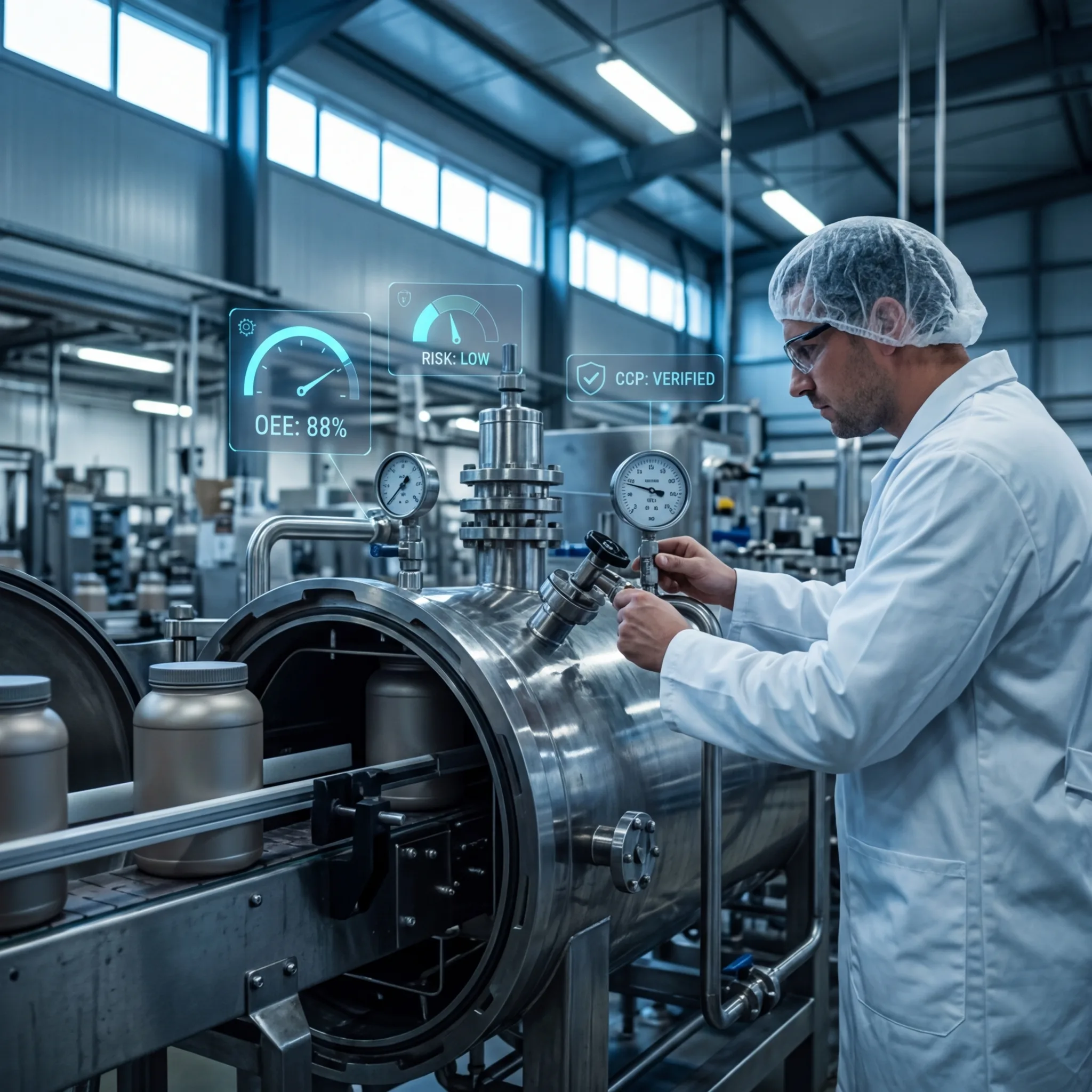
Passing FDA inspection doesn't equal food safety excellence. Here's the maturity framework that moves facilities from minimum compliance to zero-recall culture.

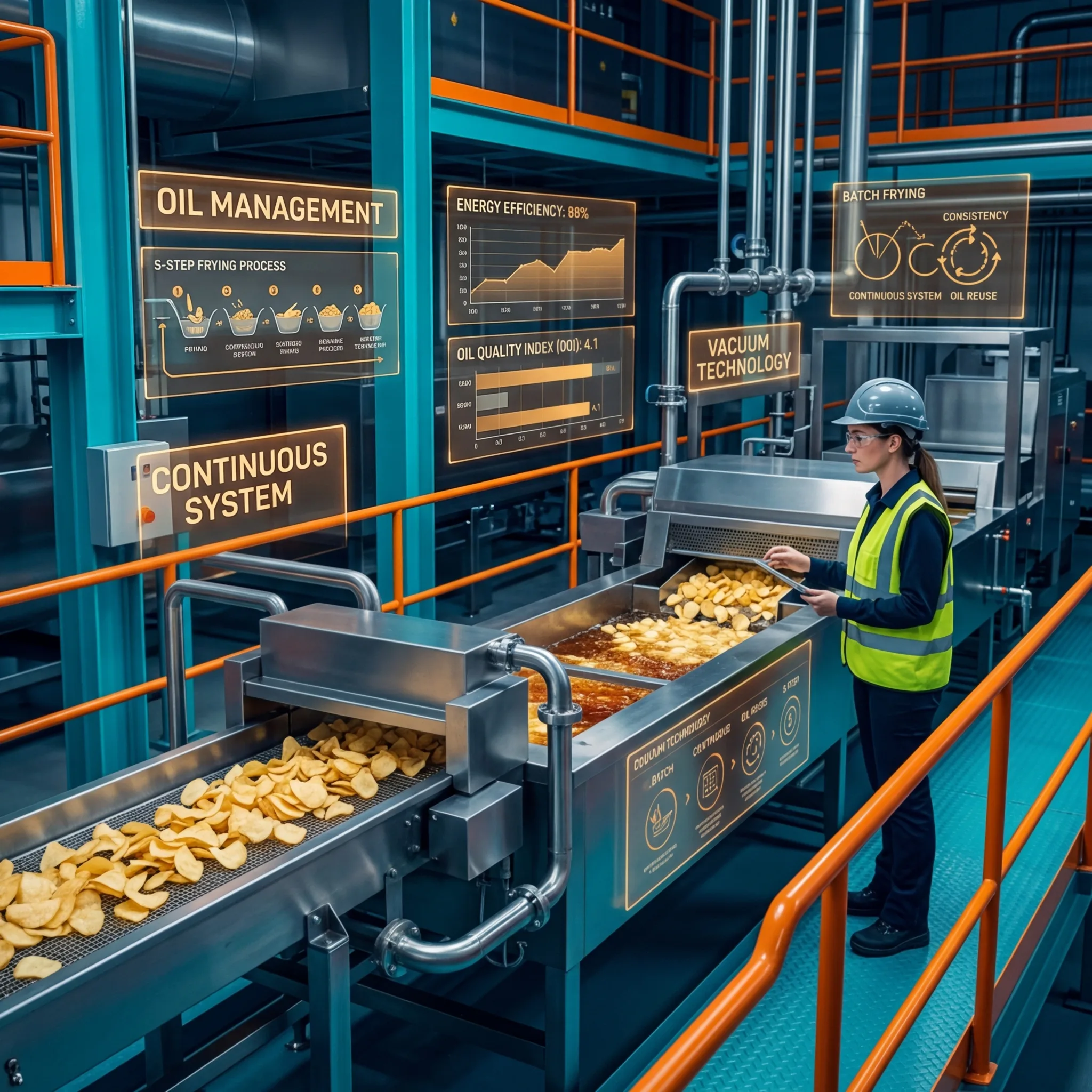
Frying equipment selection directly impacts product quality, oil efficiency, and profitability. Continuous fryers with filtration can reduce oil costs by 60%.

GMP addresses People, Premises, Processes, Products, and Procedures. Treat it as operational foundation, not a compliance checkbox, to prevent recalls and penalties.

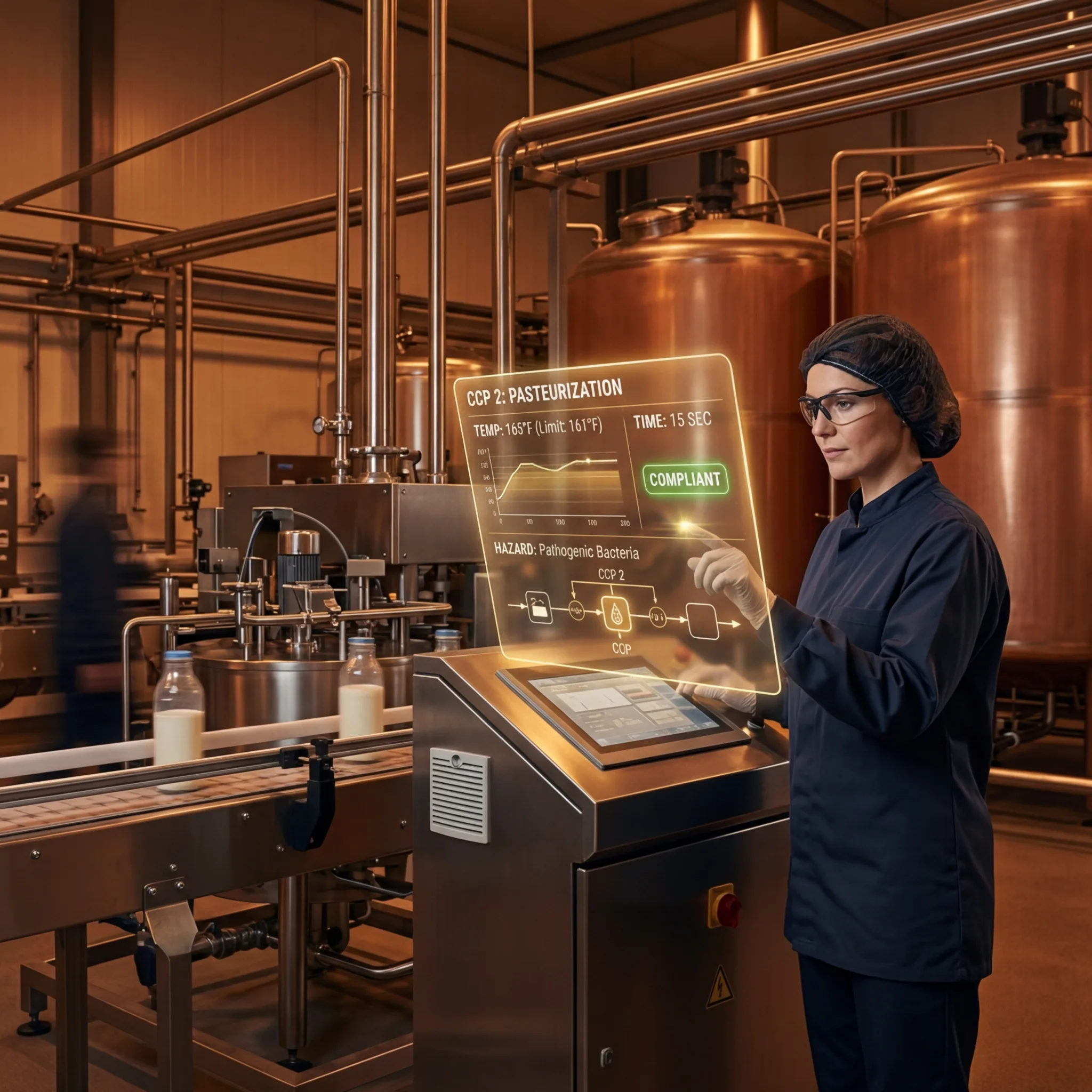
Rather than testing finished products reactively, HACCP identifies critical control points where hazards can be prevented proactively during production.

A 10% labor productivity improvement saves $270K annually without reducing production. Here's the data-driven approach to staffing that replaces historical guesswork.

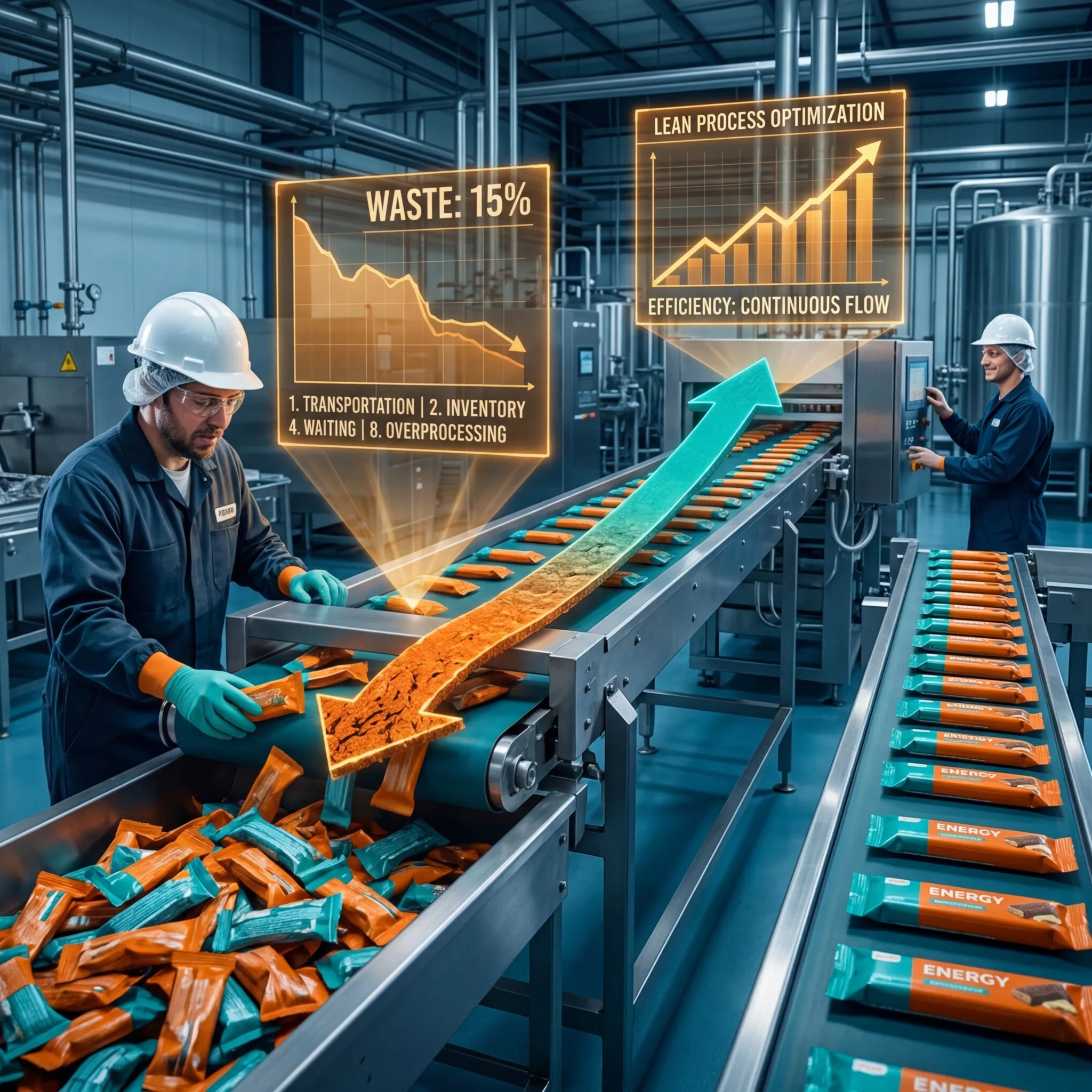
Of 1,000 units produced daily, 150 are wasted through inefficiency, quality issues, and overproduction. Lean manufacturing systematically eliminates waste from same resources.

Reactive maintenance looks cheaper on paper but costs $3.9M more annually in downtime. Here's the preventive approach that delivers 400% ROI.

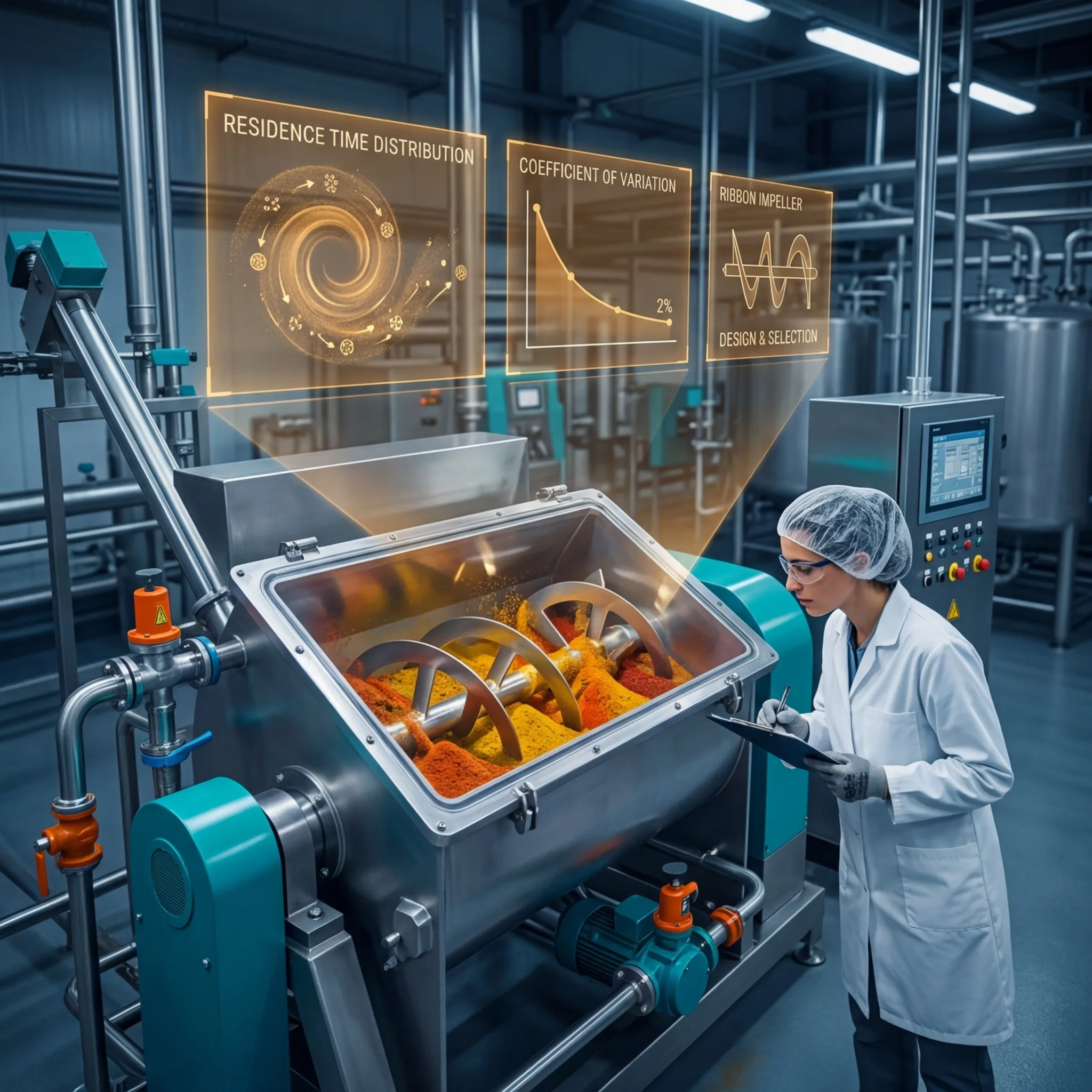
Mixer selection directly impacts product quality, consistency, and shelf-life. Here's the engineering framework for choosing and optimizing mixing equipment.