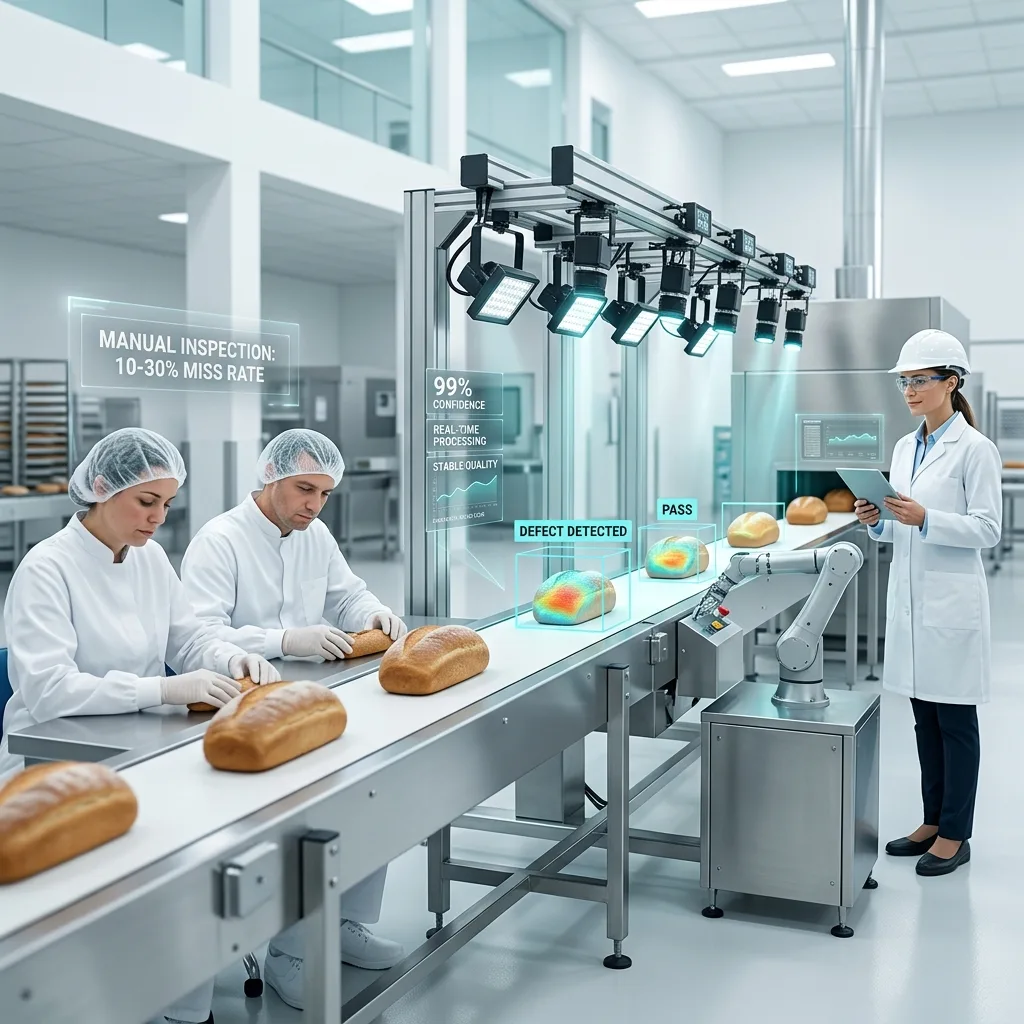

An experienced operator at Facility A performs production task for 10 years. When operator retires, plant struggles. New operator struggles, quality suffers, efficiency drops 20%.
Facility B has detailed SOPs for the same task. New operators reference SOP, achieve 95% of experienced operator efficiency within weeks.
Difference: Documented knowledge vs. tribal knowledge.
The SOP Framework
SOP Structure:
- Title: Clear identification of procedure
- Purpose: Why procedure exists, what it accomplishes
- Scope: When/where procedure applies
- Responsibility: Who performs/approves procedure
- Procedure: Step-by-step instructions
- Documentation: Records kept, retention period
- Approval: Documented authority approval
- Effective Date: When SOP becomes active
Example SOP: Pasteurization Temperature Control
Purpose: Ensure milk pasteurized to safe temperature destroying pathogenic organisms
Scope: All milk production runs
Responsibility:
- Operator: Execute procedure
- Supervisor: Verify compliance
- Quality Manager: Monthly audit
Procedure:
- Pre-shift: Verify thermometer calibrated (+/- 1 degree F accuracy)
- Start production: Set temperature to 161 degrees F
- During run: Monitor temperature every 15 minutes, document readings
- If temperature drops under 160 degrees F: Stop production immediately, notify supervisor
- Post-run: Record final temperature reading in log
Documentation: Daily temperature logs retained 3 years
Approval: Plant Manager, Date
SOP Development Process
Step 1: Identify Critical Processes
- Production processes (heat treat, blend, package)
- Quality checks (testing, inspection)
- Maintenance (equipment preventive maintenance)
- Safety (spill response, emergency procedures)
Prioritize: Start with food safety-critical processes.
Step 2: Document Current Practice
- Interview experienced operators
- Observe process execution
- Document each step in detail
- Include timing, measurements, quality checks
Step 3: Draft SOP
- Write clear, concise instructions
- Use numbered steps
- Include decision points (if/then logic)
- Add diagrams if helpful
- Include visual aids if complex
Step 4: Test and Validate
- Have new employee follow SOP without help
- Does procedure produce desired result?
- Does new employee understand all steps?
- Refine unclear instructions
Step 5: Train and Deploy
- Train affected employees on new SOP
- Document training completion
- Post SOP at work location
- Verify compliance through audits
Step 6: Review and Update
- Review annually or when process changes
- Update based on operational experience
- Re-train if significant changes
- Version control (track updates)
SOP Content Guidelines
Be Specific:
- Instead of "heat to proper temperature," write "heat to 161 degrees F"
- Instead of "clean thoroughly," write "wipe with 70% ethanol using disposable wipe, discard used wipe"
Be Complete:
- Include all decision points
- Address edge cases/exceptions
- Include troubleshooting guidance
Be Usable:
- Write at appropriate reading level
- Use simple language
- Include diagrams/photos where helpful
- Keep to 1-2 pages if possible
SOP Management System
Maintain SOP library:
- Centralized repository (digital or physical)
- Version control (date effective, revision number)
- Approval workflows (who approves changes)
- Training tracking (who trained on each SOP)
- Compliance audits (verify staff follow SOPs)
Benefits of Comprehensive SOPs
Consistency:
- All operators perform same steps same way
- Reduced variability in output quality
- Better predictability
Efficiency:
- New operators productive faster
- Fewer mistakes requiring correction
- Institutional knowledge doesn't disappear with employee turnover
Compliance:
- Documented evidence of processes
- Meets regulatory requirements
- Audit trail for food safety
Training:
- New employee onboarding faster
- Consistent training across facility
- Documentation of competency
For food manufacturing companies, comprehensive SOP documentation standardizes processes while enabling rapid scaling, improving consistency, and protecting institutional knowledge.